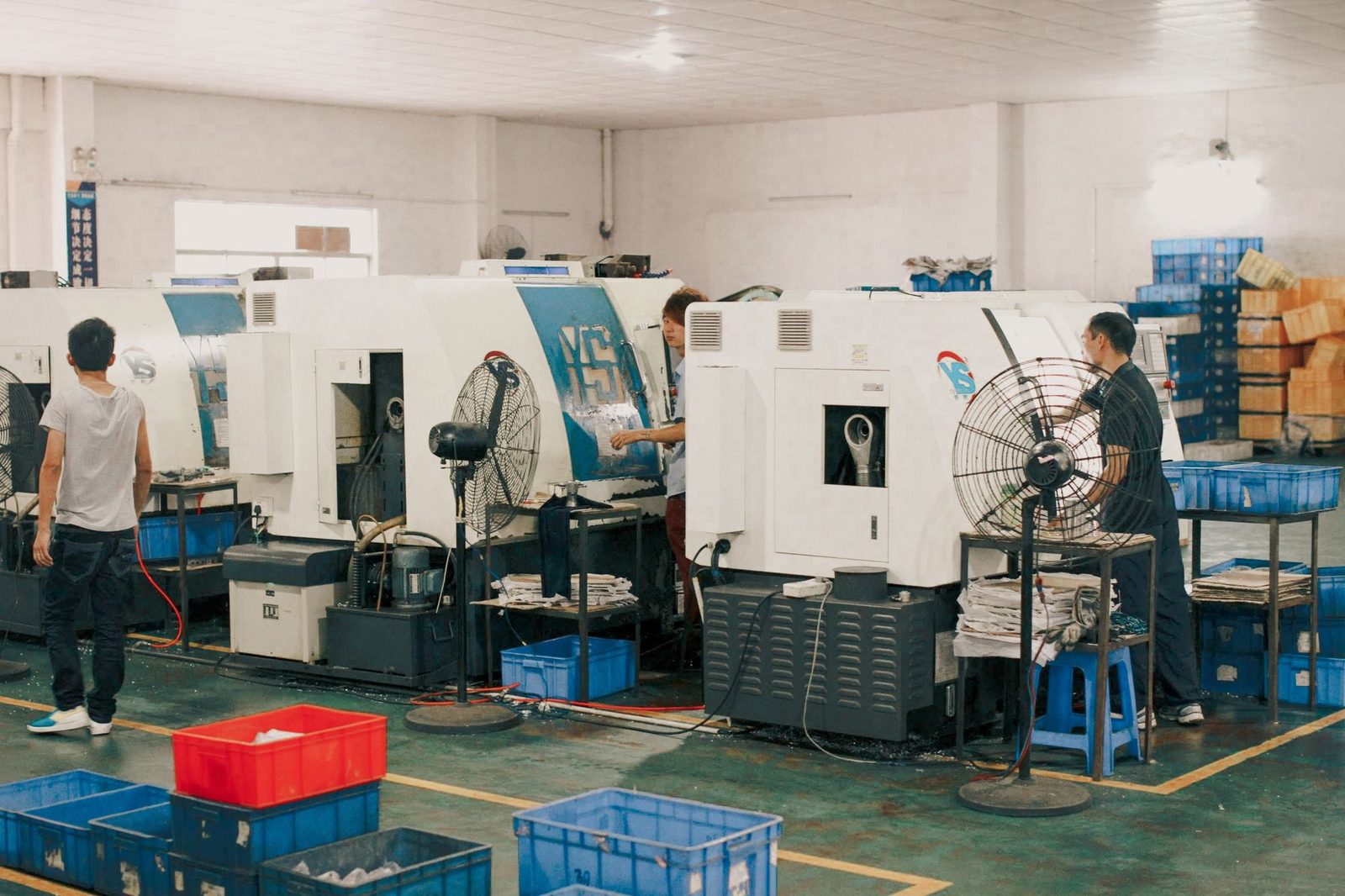
A second-shift worker at a distribution center clocks in at 2:30 in the afternoon and leaves at 11 at night. The nearest primary care office opens at 8 in the morning, when she is asleep, and closes at 5, when she is on the floor. A checkup costs her either sleep or a paid shift.
Shift and hourly workers lose access to care because of the schedule as much as cost or insurance. A mobile clinic that parks at the worksite during working hours removes most of that conflict. It works only when the clinic's hours match the shifts and employees can visit without giving up pay.
Shift work is common in some industries
Most workers keep daytime hours. The BLS 2024-25 survey of job flexibilities found that 15 percent of wage and salary workers usually worked a non-daytime schedule, including evening, night, split, and irregular shifts. The share reached 40 percent in leisure and hospitality, 25 percent in transportation and utilities, and 20 percent in wholesale and retail trade.
Hourly pay compounds the problem. In 2024, 80.3 million workers, 55.6 percent of all wage and salary workers, were paid by the hour. For them, a two-hour appointment often costs two hours of wages.
Time off is hard to get on the floor
The same BLS survey asked how hard it would be to take an hour or two off during work. Twenty percent of workers answered "somewhat difficult," and 11 percent answered "very difficult." A little over half of workers in construction and extraction, production, and installation and repair jobs had no flexible hours and worked schedules their employers set.
Paid sick leave helps, but coverage is uneven. BLS reported that 80 percent of private industry workers had paid sick leave in 2025, and only 63 percent in the East South Central states (Alabama, Kentucky, Mississippi, and Tennessee).
One employer found most workers had gone without care
In rural East Texas, Energy Future Holdings found that three-fourths of roughly 1,000 employees at its Luminant power plants and mines had received no urgent or preventive care in the previous three years, Workforce reported. The company launched a 40-foot mobile clinic staffed by a physician assistant and did not dock pay for visits.
Research on rural programs points the same way. A scoping review of rural mobile health clinics by Simmonds and colleagues (2026) found that all 34 documents reviewed reported expanded access, including programs that overcame geographic and transportation barriers. The authors also noted that the quality of evidence varied widely.
The clinic schedule has to follow the shifts
A worksite clinic that opens 9 to 5 on Tuesdays serves the day shift and misses everyone else. Programs that reach shift workers plan around the shift calendar:
- Clinic hours that overlap shift changes, so employees can visit before or after work
- Stops on evening or overnight shifts at plants that run around the clock
- Appointment slots for employees with chronic conditions, plus walk-in time for acute needs
- Visits during paid time, so employees do not clock out to see the clinician
At McRae Industries in North Carolina, hourly employees did not clock out to visit the FirstHealth mobile clinic in the parking lot. Whether employees stay on the clock is the employer's decision.
Farm and seasonal workers face a similar problem on a different calendar. Our post on scheduling mobile clinics for farmworkers covers evening and seasonal routes.
A worksite visit has limits
A clinic in the parking lot handles checkups, chronic disease visits, vaccines, and minor illness. Specialist care, imaging, and emergencies still happen elsewhere, and those visits still conflict with a shift. Programs that serve shift workers help by booking referrals at workable hours and by following up at the next stop.
A dedicated team returns each week, so a worker who met the nurse last month sees the same nurse again.
The hub on mobile worksite clinics for employers explains the full model, and our guide on how to start a mobile health clinic covers planning. Mission Mobile Medical's planning and staffing advisors help programs design routes and hours around shift schedules.