Rural and frontier counties
Reach homes and gathering places that sit miles down county and forest roads.
New Equipment Sales & Leasing
Four-wheel drive for the gravel, dirt and snow-covered roads between your team and the people you serve. No commercial driver’s license required.
Overview
Gravel roads, dirt tracks, mud and snow can stop a standard two-wheel-drive clinic short of the site. When that happens, patients travel the rest of the way on their own, or they miss the visit.
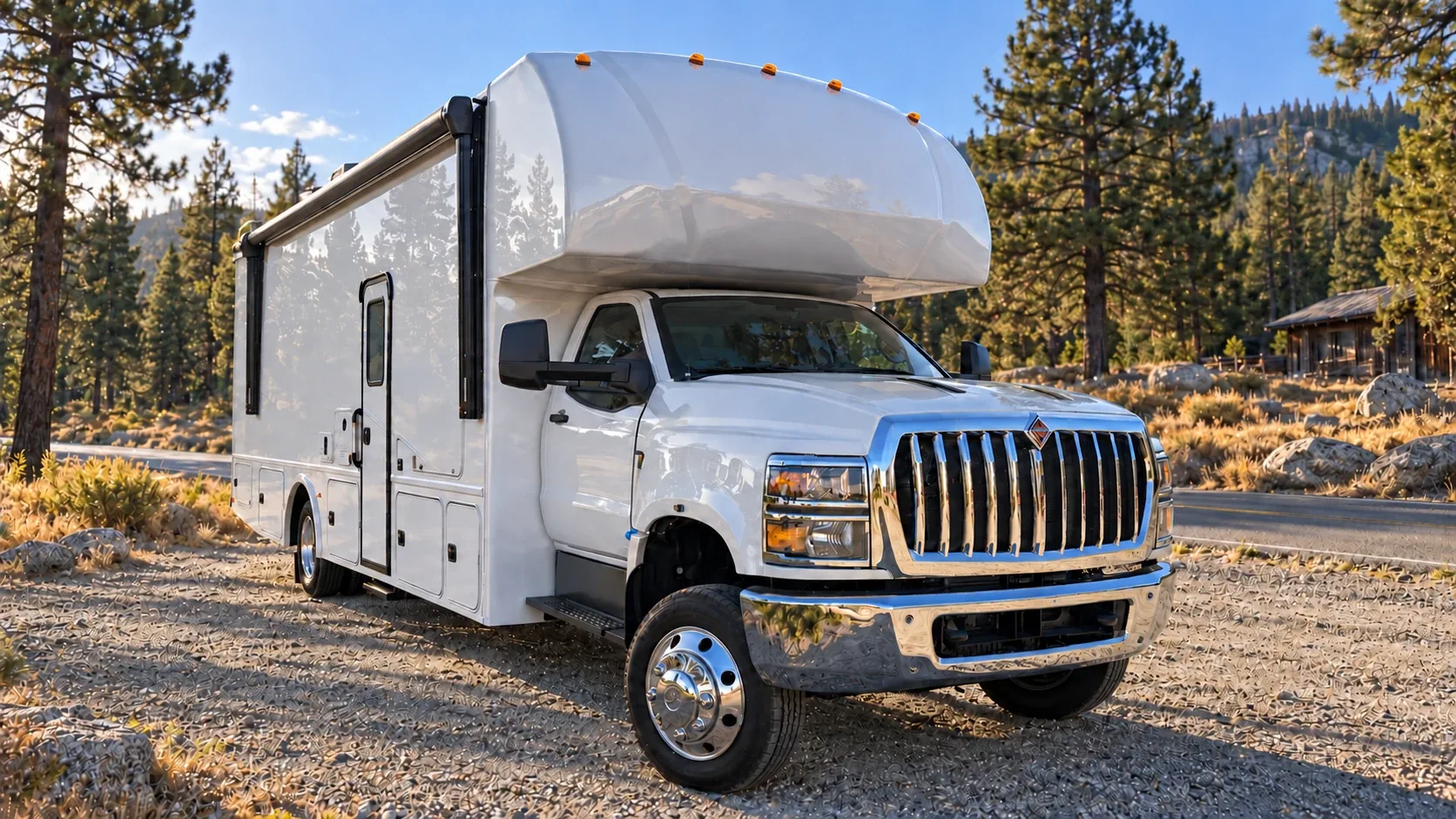
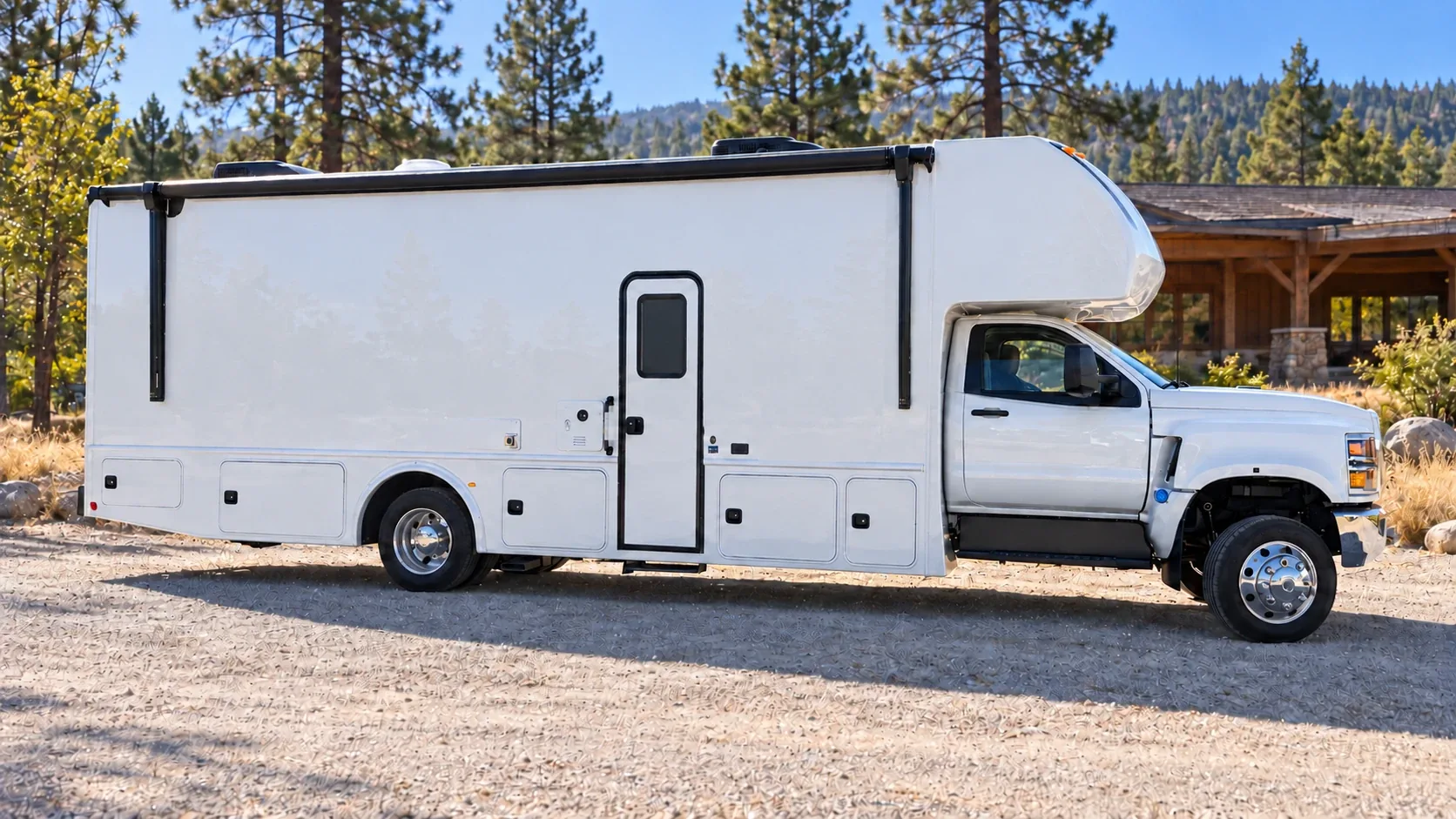
Frontier All Terrain is a mobile clinic built on a four-wheel-drive chassis, so your team can take care to the site itself. It drives on a standard driver’s license, and the clinical space is configured around the services your program provides.
Why it matters
When the road stops the clinic, the clinic day is canceled. The patients who already wait longest for care are usually the first to lose it, because they live farthest out.
We build the clinic that gets your team there, train your drivers with no commercial driver’s license needed, and can run it with you.
Bring the routes and sites your team cannot reach reliably today. Your program director knows which roads stop you.
Four-wheel drive from the chassis up, heavy-duty shocks for ruts and washboard, and a clinic laid out for your services.
Your staff can drive it with a standard license. We train them, and we can help you lease the clinic and run it.
With Frontier All TerrainEvery stop on the route gets made, all year.
Without itThe patients farthest out keep going without care.
Where it goes
Reach homes and gathering places that sit miles down county and forest roads.
Serve communities where many roads are unpaved and care can be a long drive away.
Handle steep grades and switchbacks to towns that lose easy access in bad weather.
Bring care to agricultural workers at the field, the packing shed or the camp.
Set up care after floods, fires and storms, when roads are damaged or cleared only for crews.
Keep your schedule running through snow and slush instead of cancelling clinic days.
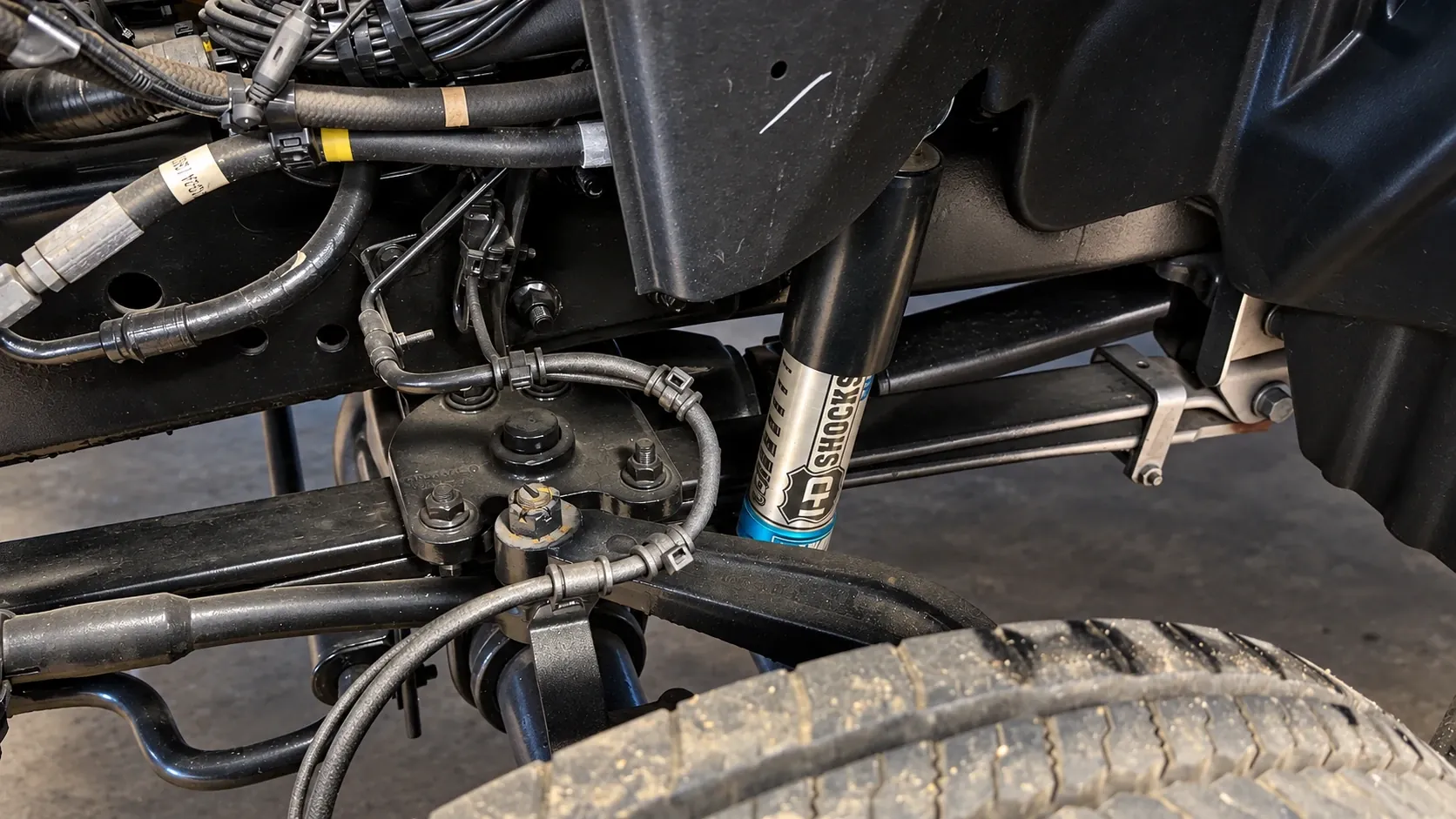 Build photo
Capability
The terrain starts at the chassis, so that is where Frontier All Terrain starts. Everything above it is built to arrive at the site ready to see patients.
Traction for gravel, dirt, mud and snow, and an ordinary drive on the paved miles in between.
Heavy-duty shocks take the ruts and washboard, so the clinic and the equipment inside arrive ready.
Your staff can drive it with a standard license, so you are not hiring or scheduling around a CDL.
You choose the clinical layout. We build the cabinetry, storage and power around the services you plan to offer.
Floor plan
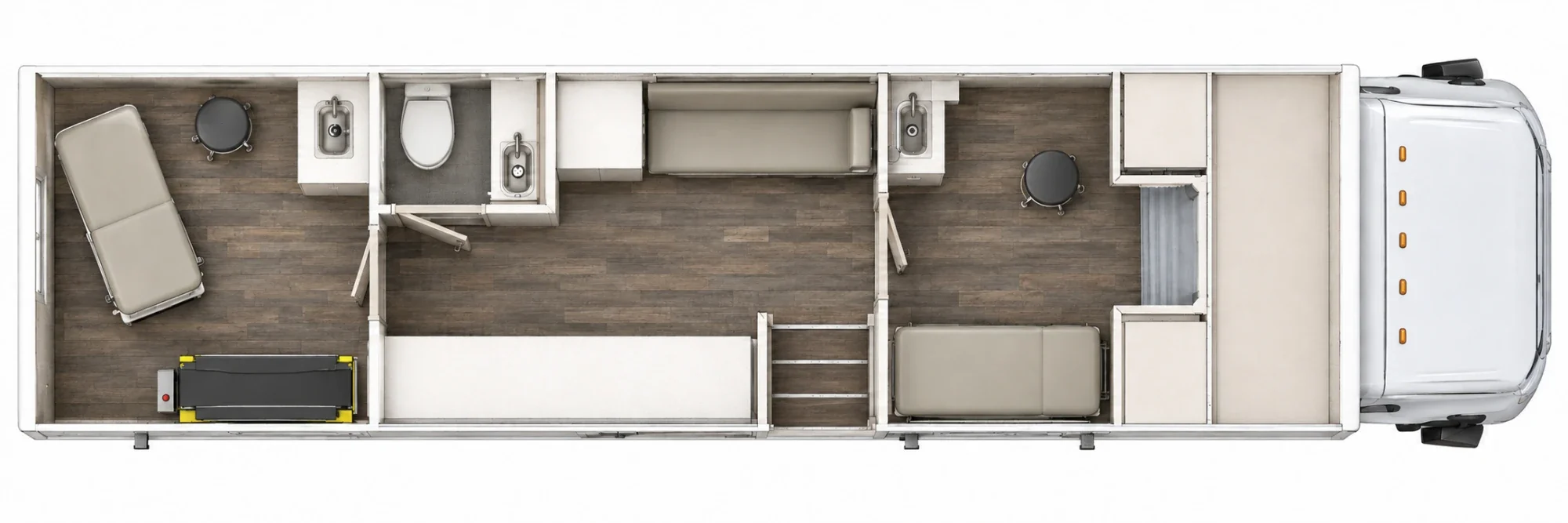
The layout shown puts an exam room at each end with a restroom and a shared work area in the middle. The cabinetry, equipment and room details are configured around how your program runs.
Swipe sideways to see the whole plan.
The build
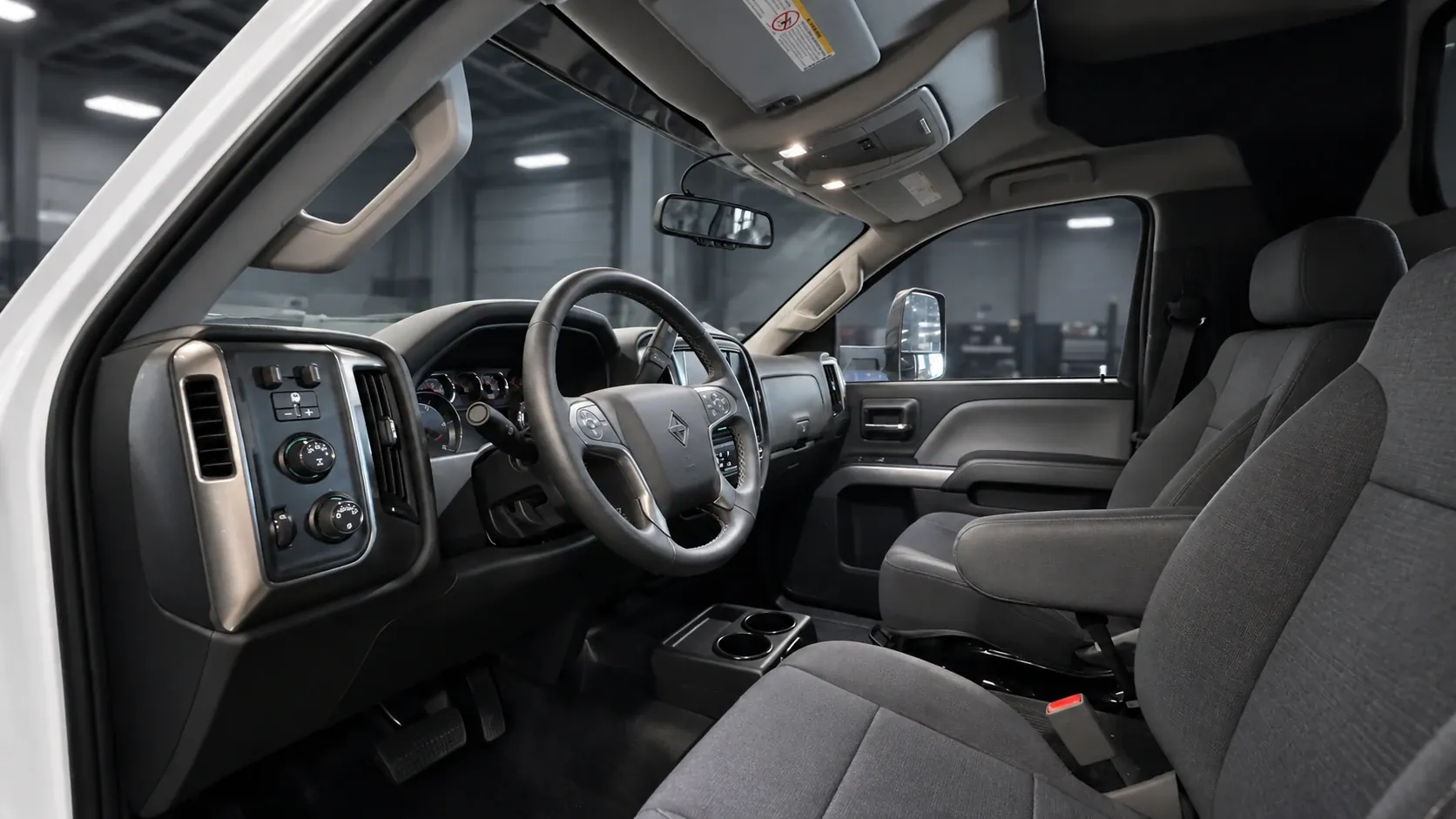
These photos were taken in our shop during the build.
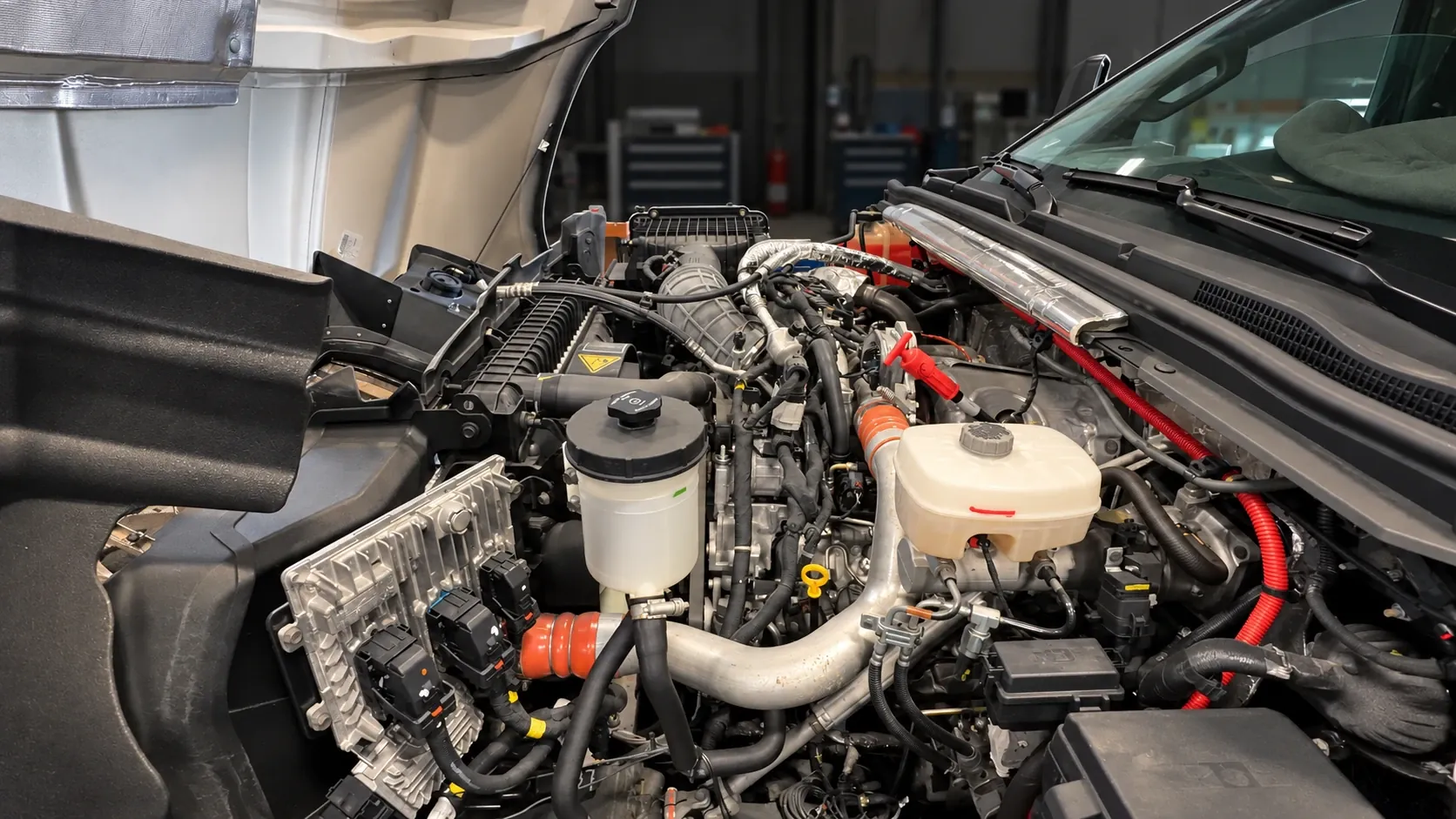 Build photoBuild photo
Gallery
Your program
Reaching the site is the first step. We can also help your team drive it safely, keep it in service and pay for it in the way that suits your budget.
Hands-on training for the people who will drive, set up and run the clinic.
Operator training →Staffing, scheduling, maintenance and day-to-day operations support.
Mobile health operations →Put a clinic into service without paying the full cost up front.
Leasing →Paying for it
Two options fit many rural programs: leasing the clinic, and funds from the Rural Health Transformation Program. Some programs use both.
For your finance lead
Leasing turns the purchase into a predictable monthly payment and keeps your cash free for staff and supplies. Terms run from a 6 to 18 month pilot to a 36 to 60 month operating lease, and a lease-to-own option builds toward ownership.
Lease payments often fit grant and reimbursement budgets. We work with your finance team on the structure.
For your grants lead
The Rural Health Transformation Program sends federal funds to states to improve rural health care. Federal guidance for the program lists mobile clinics among the allowed uses.
Each state decides how it spends its share and who can apply. Our Grants Support team checks your state’s rules and helps you apply.
Sources: CMS, Rural Health Transformation Program frequently asked questions; KFF, a closer look at the Rural Health Transformation Program.
Questions
An all-terrain mobile clinic is a mobile clinic built on a four-wheel-drive chassis. Your team can reach sites on gravel, dirt, mud or snow-covered roads that a standard two-wheel-drive clinic may not reach. The clinical space inside is configured around the care your program provides.
No. Frontier All Terrain is designed to be driven with a standard driver’s license, so your own staff can drive it without commercial driver’s license training.
Frontier All Terrain is built for gravel and dirt roads, rutted and washboard surfaces, mud and snow, as well as ordinary paved roads. Every route is different, so tell our engineering team about the roads on yours and we will talk through them with you.
The layout shown has two exam rooms, one at each end, with a restroom and a shared work area between them. The cabinetry, equipment and room details are configured around your program.
You choose the clinical layout. Frontier All Terrain can be configured for services such as primary care, screenings and vaccinations, or behavioral health visits, and we build the cabinetry, storage and power around that plan.
Many programs lease the clinic, which turns the purchase into a predictable monthly payment. Rural programs may also be able to use Rural Health Transformation Program funds, because federal guidance for the program lists mobile clinics among the allowed uses. Each state sets its own rules, and our Grants Support team can check yours.
Yes. Ask our team about seeing Frontier All Terrain in person.

Talk with engineering
Schedule time with Justin Schultz, our Director of Engineering, or his staff. Bring your routes and your services, and we will show you how Frontier All Terrain is built for both.