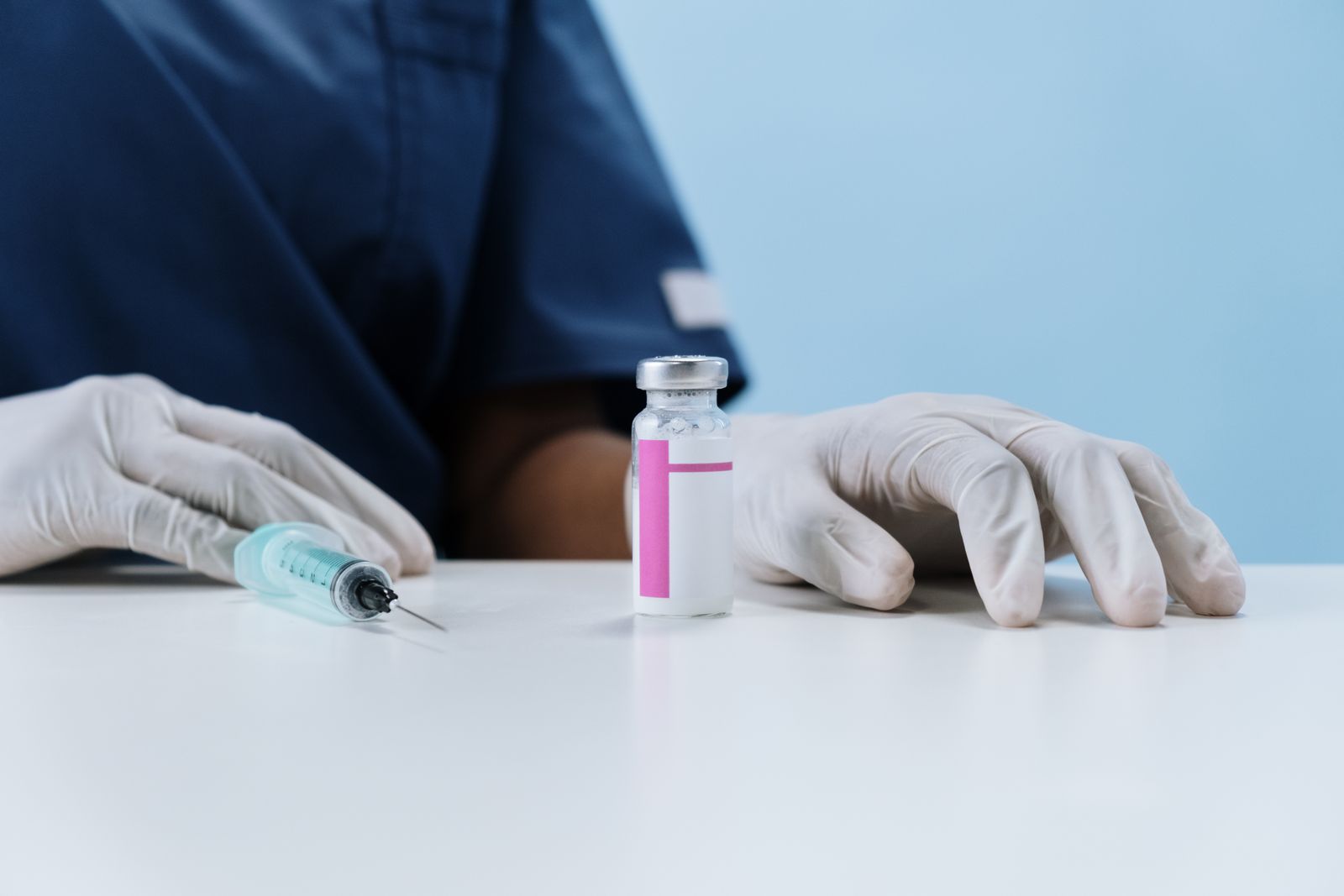
Every August, school offices contact families whose children are missing required vaccine records. Some students need paperwork from a previous provider. Others are due for one or more doses. Families may want to get caught up but have trouble finding an appointment before school starts.
A mobile clinic can bring vaccination services to the school. With consent completed in advance, clinicians can review records, administer required and catch-up vaccines, and update the documentation the district needs. Families avoid a separate trip, and fewer students lose class time because of an unresolved record.
Kindergarten vaccination coverage continues to fall
During the 2025–2026 school year, national MMR coverage among kindergartners fell to 92.4%. The percentage with an exemption from one or more vaccines increased from 3.6% to 4.2%. CDC estimates that about 280,000 kindergartners attended school without documentation that they had completed the MMR series.
CDC uses 95% MMR coverage as the national target. Coverage below that level leaves more children susceptible and increases the chance that measles will spread when a case enters a community.
Recent measles numbers show the risk
CDC reported 2,289 confirmed measles cases in 2025, compared with 285 in 2024. There were 48 outbreaks, and 90% of confirmed cases were associated with an outbreak. By August 20, 2026, the country had already reported 2,777 confirmed cases for the year.
National averages can also hide local pockets with much lower coverage. When a school or community falls below the 95% target, one imported case can reach many people who are not protected.
Not every child who is behind has an exemption
School vaccination data include several different situations. Some families claim an exemption. Other children are missing doses because they changed schools, missed well-child visits, lost access to a regular provider, or could not get an appointment.
A mobile clinic is designed to help with the access side of the problem. It gives families who want vaccination a convenient way to complete it. The program should be clear about that role and work within state requirements for consent, exemptions, and school attendance.
Plan the clinic day around records and consent
The work starts before the unit arrives. The school and clinical provider need a secure process to identify eligible students, verify the state immunization registry, collect consent, and determine which doses are due. They also need a plan for entering completed vaccines into the registry and returning updated documentation to the school and family.
On clinic day, the mobile team can administer routine childhood and adolescent vaccines, including catch-up doses, while maintaining cold-chain and medication safety standards. Our guide to mobile vaccination clinics covers those clinical and equipment requirements.
Consent should be completed before the scheduled visit whenever possible. That allows staff to resolve questions with parents in advance and use clinic time for care. It is also important to plan for multi-dose series. A dedicated mobile team can return to the same schools, track due dates, and coordinate follow-up with the front office.
The broader mobile clinic planning process should include state vaccine rules, registry access, storage capacity, emergency procedures, staffing, and billing.
If your district wants to offer on-campus vaccination, Mission Mobile Medical's advisors can help plan the schedule, consent workflow, cold-chain needs, and staffing.