<img alt="" src="https://secure.agile-company-365.com/264630.png?trk_user=264630&amp;trk_tit=jsdisabled&amp;trk_ref=jsdisabled&amp;trk_loc=jsdisabled" height="0px" width="0px" style="display:none;">

5 min read

How Mobile Clinics Deliver Substance Use Treatment

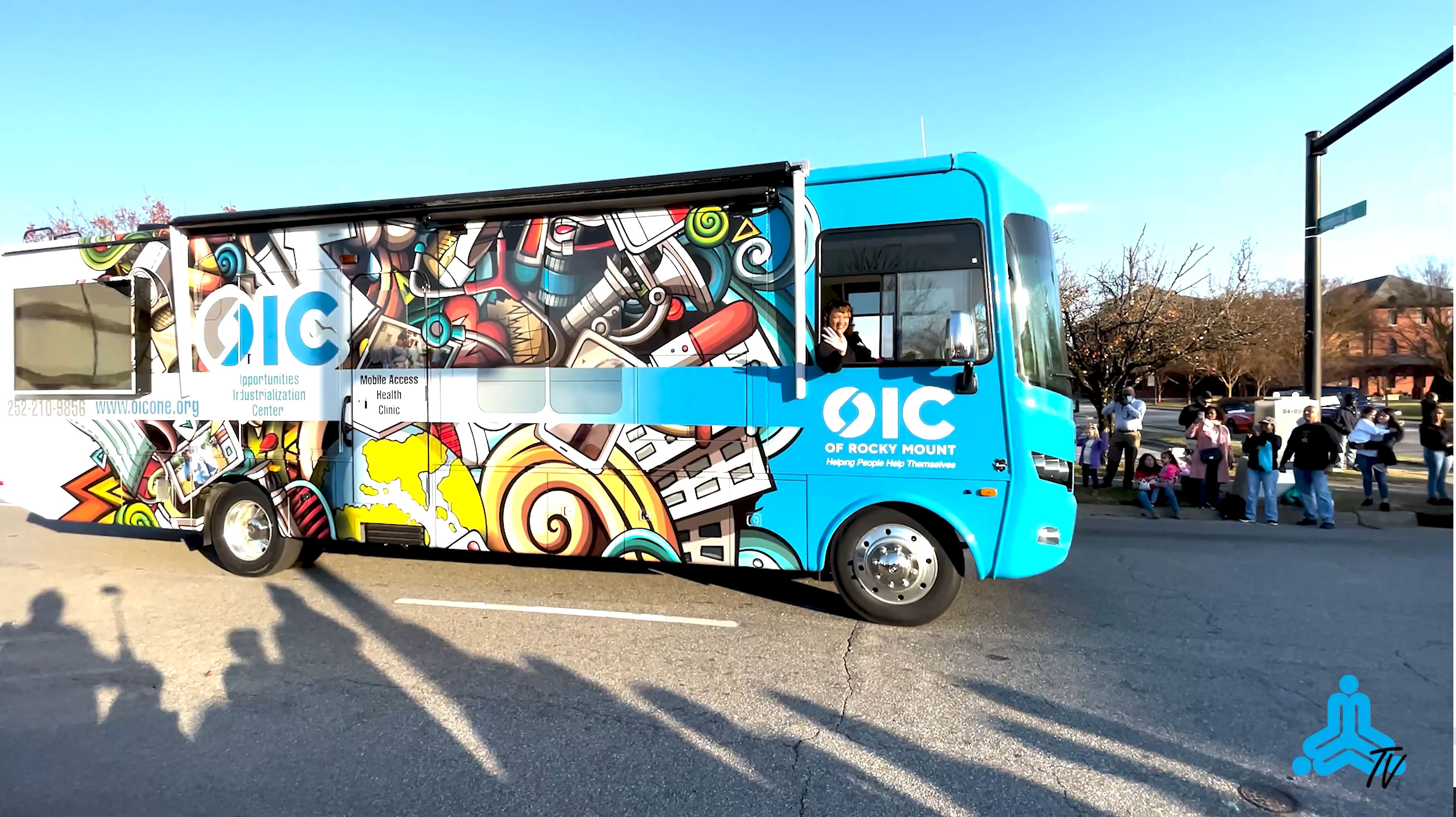
A mobile substance use program is a clinical unit, often a converted van or RV, that brings screening, medications for opioid use disorder, counseling, and referrals directly to the communities that need them. It parks where people already are: near shelters, food pantries, syringe services sites, jails on release days, and rural towns that have no treatment provider within reasonable distance. The model works because it removes the two barriers that keep people out of fixed clinics, distance and stigma, and replaces them with a familiar unit and staff who return to the same corner every week.

The stakes are large. Among adults who needed opioid use disorder treatment in 2022, only 25.1% received medication for it, according to the CDC's Morbidity and Mortality Weekly Report. A mobile program is one of the few tools that can reach the other three-quarters where they live. This post explains what these programs deliver, how they connect to the wider system of care, and how to staff one so it lasts. For a deeper look at the operating model, see our Behavioral Health Satellite Clinic Network.


What substance use services can a mobile program provide?

A mobile program can deliver most of the outpatient substance use services a fixed clinic offers, sized to the vehicle and the license. That usually includes screening and assessment, medications for opioid use disorder, medications for alcohol use disorder, individual and group counseling, naloxone distribution, wound care, testing for HIV and hepatitis C, and warm referrals to higher levels of care.

The right service mix depends on the community and the funding. A program near a syringe services site may lead with low-barrier buprenorphine and wound care. A rural route may center on assessment and telehealth-supported counseling. Deciding that mix is the first planning step, and it drives the vehicle build, the staffing plan, and the licensing path. Our mobile health planning and staffing advisory helps programs match services to community need before the unit is ordered.


What is MOUD and can a mobile clinic deliver it?

Medications for opioid use disorder, or MOUD, are the FDA-approved medications that treat opioid use disorder: buprenorphine, methadone, and naltrexone. Agonist medications, methadone and buprenorphine, are associated with roughly a 50% reduction in mortality among people with opioid use disorder, per the National Academies review summarized by the NCBI Bookshelf. These are the most effective treatments available.

A mobile clinic can deliver all three, with different rules for each. Buprenorphine and naltrexone can be started by any qualified prescriber on a mobile unit, which makes same-visit buprenorphine one of the most practical services to offer. Methadone requires a registered opioid treatment program, and since 2021 a registered program can add a mobile component to dispense methadone from a vehicle. A mobile program can also run a hub-and-spoke design, starting buprenorphine on the unit and linking to a fixed opioid treatment program for methadone.


How does mobile care close the treatment gap?

Mobile care closes the treatment gap by putting a prescriber in places that have none. The gap is not only about willingness; it is about geography. As of December 2017, about half of US counties had no buprenorphine prescriber, and nearly a third of rural Americans lived in a county without one, compared with 2.2% of urban Americans, according to the NCBI Bookshelf review.

These prescriber deserts are exactly where a mobile unit changes the math. A single vehicle can cover a weekly route across several counties that would each never support a standalone clinic. It brings the prescriber to the patient rather than asking a patient without a car to make a two-hour trip for a daily or weekly visit. For health plans building access in thin markets, mobile units extend a primary care satellite clinic network into areas fixed sites cannot reach.


How does mobile substance use care reduce overdose deaths?

Mobile substance use care reduces overdose deaths by starting and keeping people on medications that lower the risk of dying. The effect after a nonfatal overdose is measurable: opioid overdose deaths fell 59% for those on methadone and 38% for those on buprenorphine compared with no MOUD over a 12-month follow-up, per the National Institutes of Health.

The national picture is improving, and access is part of why. The US recorded an estimated 80,391 drug overdose deaths in 2024, down 26.9% from 110,037 in 2023, with fentanyl-involved deaths falling from 76,282 to 48,422, according to provisional CDC data. Those declines are real and uneven across groups, per the CDC overdose prevention overview. A mobile program helps hold and extend the gains by reaching people who have not yet started treatment.


How does a mobile program connect to the wider treatment system?

A mobile program works best as a front door, not an island. Its job is to engage people, start treatment, and route them to whatever comes next: a fixed opioid treatment program for methadone, a primary care home for ongoing buprenorphine, inpatient care for those who need it, and social services for housing and food.

Build these connections before launch, not after. That means signed referral agreements, a shared or interoperable record where possible, and a named contact at each partner so a handoff is a phone call rather than a cold fax. Mobile units are also expanding as a delivery model: as of September 2024, 54 mobile medication units operated across 17 states, up from 8 in 6 states in August 2022, according to the HHS ASPE report on mobile medication units. A growing network gives programs more partners to link with. If you are early in planning, our guide on how to start a mobile health clinic walks through the sequence.


How do you staff a mobile substance use program?

Staff the mobile program with people hired for the mobile program. The core team usually includes a prescriber, a nurse or medical assistant, a licensed counselor or peer support specialist, and a driver who often doubles as an outreach worker. Peer specialists with lived experience are among the strongest engagement staff a unit can carry.

Dedicated staff matter for two reasons. First, continuity: people return to the unit because they trust the same faces week after week, and rotating clinicians in and out breaks the relationship that keeps someone in care. Second, durability: a mobile program staffed by borrowed fixed-site clinicians becomes the first thing cut when a fixed site loses a provider, so the route collapses the moment the parent clinic is short. Hiring for the mobile program protects both the patient relationship and the program itself. Our planning and staffing advisory helps build a staffing model that holds up, and you can contact us for a consultation to talk through your route.

Frequently asked questions


Can a mobile clinic prescribe buprenorphine on the first visit?

Yes. Any qualified prescriber can start buprenorphine on a mobile unit, which makes same-visit induction one of the most practical low-barrier services a mobile program offers. This matters because starting quickly, before someone leaves, is often the difference between engagement and a missed opportunity.


Do you need a separate DEA registration to dispense methadone from a mobile unit?

No separate registration is required for the vehicle. Since July 2021, a registered opioid treatment program can add a mobile component that dispenses methadone without a separate registration, per the Federal Register rule. The mobile unit operates under the parent program's registration.


How many people can one mobile unit serve?

Capacity depends on the service mix, route, and staffing, so there is no single number. A unit focused on buprenorphine and brief visits serves more people per day than one running longer counseling sessions. Planning the route and panel size around your community's need is part of the design work.


Should we use our fixed-site clinicians on the mobile unit?

Hire staff dedicated to the mobile program instead. Rotating fixed-site clinicians breaks the community continuity that keeps people in care and makes the mobile program the first service cut when a fixed site loses a provider. Dedicated staff protect both the patient relationship and the program's survival.


What services beyond medication should a mobile substance use program carry?

Common additions include counseling, naloxone distribution, wound care, HIV and hepatitis C testing, and warm referrals to housing and social services. The right mix depends on the community and the funding, and it should be set during planning so the vehicle build and staffing match.


If you are planning a mobile substance use program and want a model that reaches people and lasts, our team can help you design the route, services, and staffing. Learn more about our Behavioral Health Satellite Clinic Network.

1 min read

How to Screen for Substance Use Disorder  and Connect People to Care

Screening for substance use disorder means using a short, validated set of questions to identify people who may have a problem, then acting on the...
Read More
Mobile Clinic Type Guide

1 min read

Mobile Clinic Type Guide

Mobile clinics have become an increasingly popular way to provide healthcare services to those in underserved communities. These clinics are a vital...

Read More
Meeting People Where They Are: How Mobile Clinics Support Overdose Prevention

1 min read

Meeting People Where They Are: How Mobile Clinics Support Overdose Prevention

Every life lost is one too many, especially when the death was preventable. In 2024, the Centers for Disease Control and Prevention estimated that...

Read More