1 min read
Rural Patients aren’t Hard to Reach. The System Is.
Imagine needing a doctor, but the nearest clinic is an hour away. You don't have a car, there is no public transit, and paying a neighbor for gas...
3 min read
Mollie Williams, DrPH, MPH
Updated on July 2, 2026
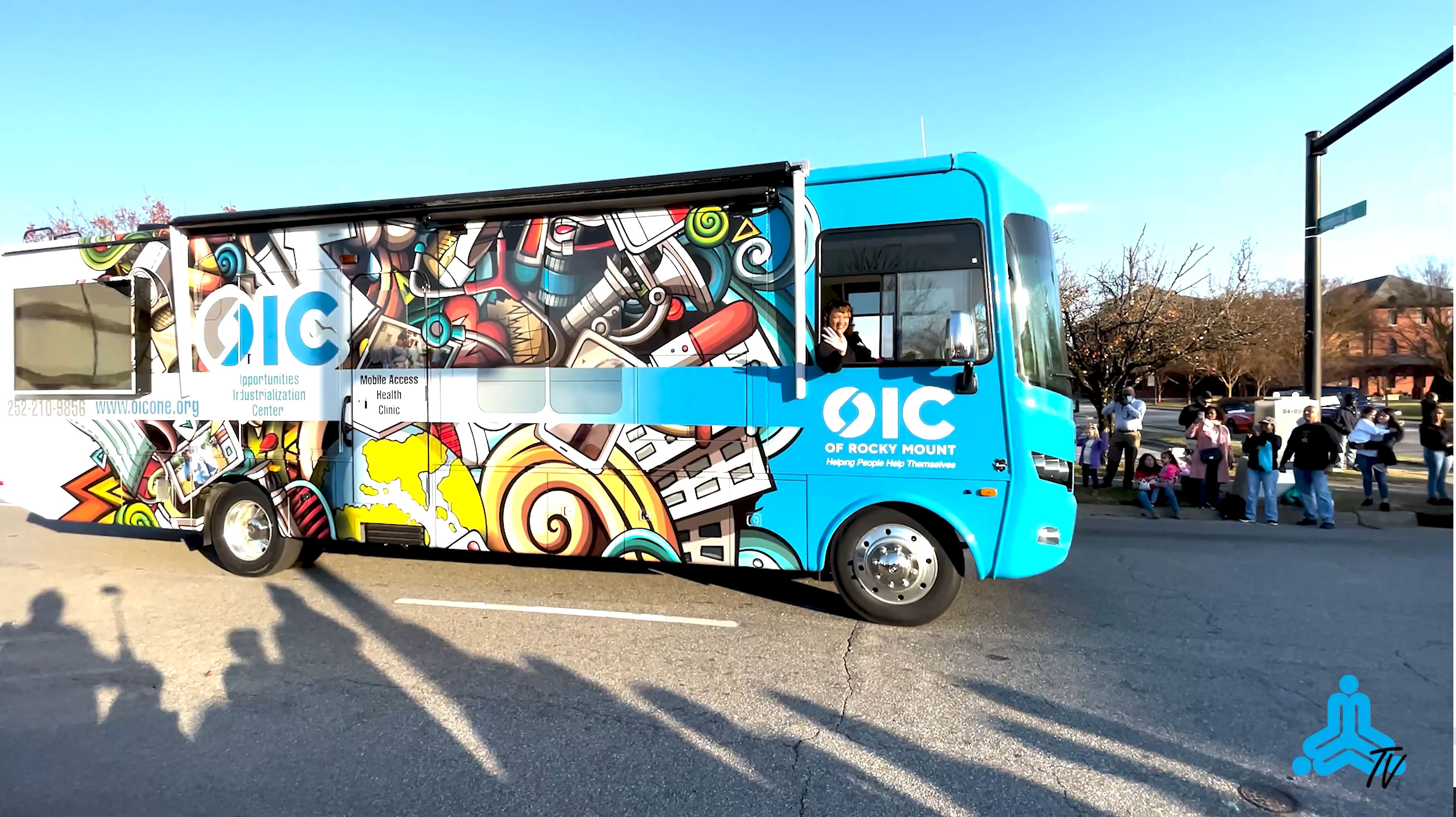
A pregnant or postpartum patient rarely comes to care alone or in isolation from their family's needs. Caring for other children, a partner's health, and the household's stability all compete with a parent's own appointments, and often win. Family-centered maternal care answers this by treating the household, not just the pregnancy: well-child visits, immunizations for siblings, and care for the parent in the same place, at the same time. Mobile programs are well suited to it because they can bring family services to one community stop. This post covers what family-centered maternal care includes and why the household lens improves maternal outcomes.
The logic is practical. A parent who cannot arrange childcare or make separate trips for each family member will skip their own care first. Removing that trade-off is often what keeps a mother in prenatal and postpartum care.
Care that treats the pregnant or postpartum patient as part of a household and serves the household together. In practice that means offering well-child visits and immunizations for other children alongside the parent's maternal care, addressing the family's primary care needs, and building the schedule so one visit serves several members rather than requiring several trips.
The point is to stop making a parent choose between their child's needs and their own. When a single community visit can cover the newborn's checkup, an older sibling's immunizations, and the parent's postpartum care, the parent no longer has to sacrifice their own appointment to manage everyone else's.
Because family responsibilities are a leading reason parents miss their own care. A postpartum patient managing a newborn and other children, without childcare, is unlikely to travel to a solo appointment. When the maternal visit also serves the children, the barrier that would have caused a no-show disappears, and the parent gets seen.
Missed appointments compound: patients with a history of missed visits are far more likely to miss subsequent ones, which worsens chronic disease control and preventive screening (see the systematic review on medical transportation and missed care). Keeping a parent in care by serving the whole family breaks that cycle before it starts.
By carrying family services to one community stop. A mobile program can provide:
Because the unit already goes to the community on a schedule, adding family services to the same stop is efficient for the program and transformative for the family. One trip, one familiar team, several people cared for. Delivered as part of a primary care satellite network alongside maternal services, the model turns a maternal visit into a family visit.
By making support visible and reachable where the family lives. Social determinants and behavioral health both operate at the household level: food insecurity, housing instability, and stress affect the whole family, and a parent's mental health is bound up with their capacity to care for children. Seeing the family together lets a program screen and act on these at the household scale, connecting the parent to behavioral health support and the family to social resources in one relationship.
Social support itself is a protective factor in the perinatal period. A program that engages the family, rather than pulling the parent away from it for care, works with that support instead of against it. The household lens turns the family from a barrier to the parent's care into part of the care system.
Its scope and its staffing. As with any maternal mobile program, delivery stays with a hospital or birth center; the mobile program handles the care around it, now extended to the household. And the program should run on staff dedicated to it rather than clinicians rotated from a fixed site, because family-centered care depends on the continuity of a team the household comes to know. A dedicated crew that sees the whole family across visits is what builds the trust the model relies on.
Care that treats the pregnant or postpartum patient as part of a household and serves the family together: maternal care for the parent plus well-child visits, immunizations for siblings, and primary care for other members, arranged so one visit serves several people.
Because caring for other children is a leading reason parents miss their own appointments. When one visit serves the children too, the childcare-and-trips barrier disappears and the parent gets seen. Preventing missed visits also prevents the cascade of further missed care.
Yes. A mobile program can provide maternal and postpartum care, well-child visits and immunizations for siblings, primary care for other household members, and behavioral, dental, and social-needs support, at one community stop with a consistent team.
No. Delivery remains with a hospital or birth center. Family-centered care extends the mobile program's around-birth scope to the household; it does not add obstetric delivery.
If your maternal program loses parents to family demands, talk with our team. We build mobile programs that care for the whole household in one visit, so parents keep their own care.
1 min read
Imagine needing a doctor, but the nearest clinic is an hour away. You don't have a car, there is no public transit, and paying a neighbor for gas...
1 min read
Mobile clinics have become an increasingly popular way to provide healthcare services to those in underserved communities. These clinics are a vital...
1 min read
Mobile clinics are playing an increasingly important role in promoting health equity in rural areas. In many parts of the world, rural populations...