1 min read
Community Engagement and Patient Recruitment for Mobile Healthcare
Community engagement is the work of building trust and partnerships in a community before and after a mobile clinic arrives, so that patients know...
5 min read
Mollie Williams, DrPH, MPH
July 3, 2026
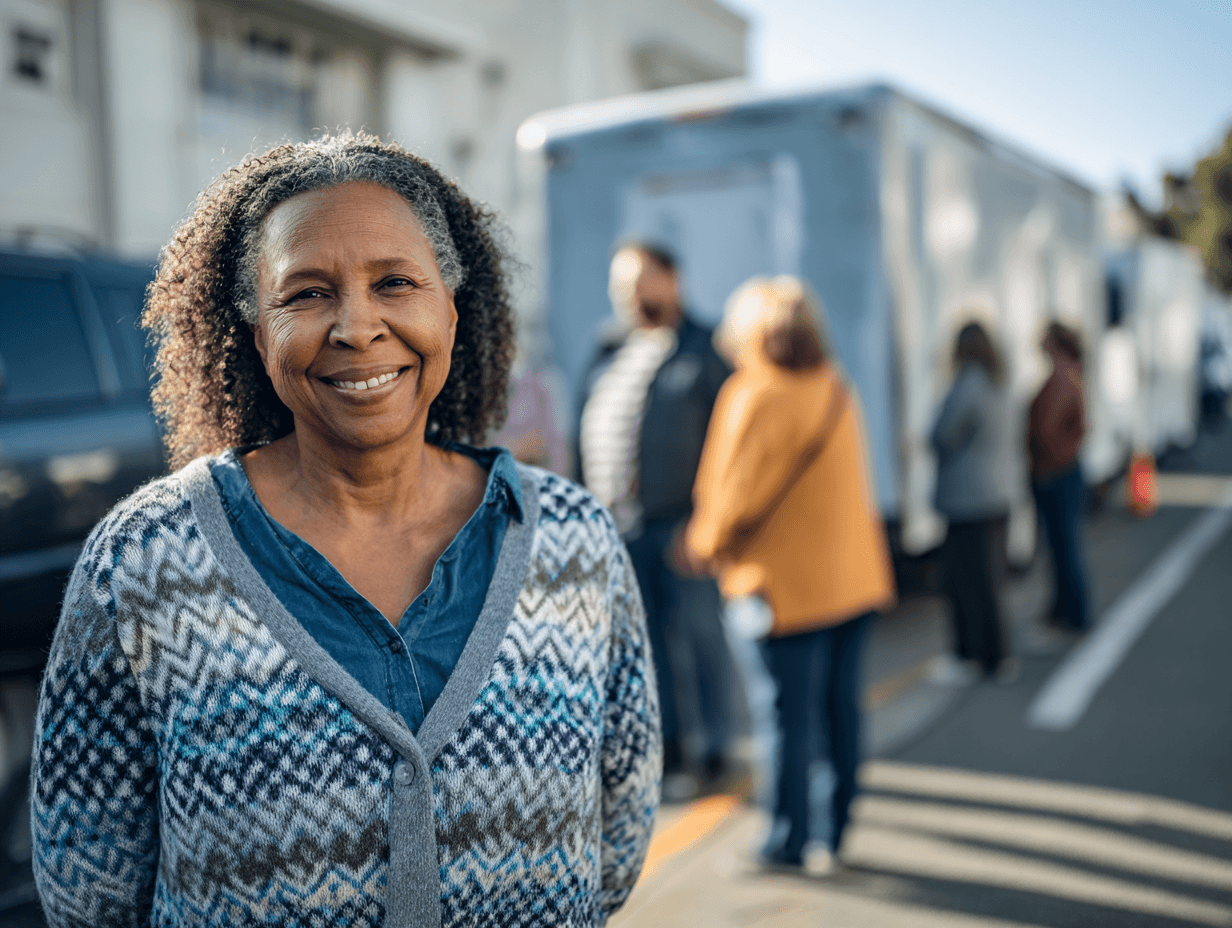
Community engagement is the work of building trust and partnerships in a community before and after a mobile clinic arrives, so that patients know about the service, believe it is for them, and keep coming back. It is the difference between a well-equipped unit parked at an empty curb and a schedule that fills week after week. Start engagement two to three months before launch, build partnerships with the organizations people already trust, recruit patients through those partners rather than cold outreach, and invest in retention and branding so early patients become steady ones. A mobile program can have the right vehicle, the right staff, and the right funding and still fail if no one shows up.
Building sustainable patient volume takes six to twelve months, which is why engagement cannot wait until the unit is on the road. Mission Mobile Medical's guide to starting a mobile health clinic treats community engagement as one of the six areas every program must plan across, alongside program design, funding, vehicle procurement, regulatory compliance, and operations. This post covers when to start, which partnerships matter, what recruitment actually works, how to keep patients, and how branding and trust drive volume over time.
Because a mobile clinic only works if people come to it, and people come to services they trust. A unit reaching a community that has been underserved for years starts from a deficit of trust, not a surplus. The populations mobile programs most often serve face real barriers to reaching care: transportation barriers cause delayed or foregone care for up to 3.6 million people a year and account for a quarter or more of missed appointments. A mobile unit removes the distance barrier, but distance is not the only barrier. If a patient does not know the clinic exists, does not know it is free or covered, or does not trust the people staffing it, the unit stays empty.
Engagement is what converts a solved logistics problem into filled appointments. It is also the least expensive part of the program to get right and one of the most expensive to get wrong, because a slow start burns operating budget while the unit runs under capacity.
Before the unit launches, not after. Mission Mobile Medical's guide to starting a mobile health clinic recommends starting community engagement two to three months before launch, and it plans for building sustainable patient volume to take six to twelve months after that. Those two timelines are the whole point: engagement is a runway, and if you start it the week the unit arrives, the first months on the road are the months you are least busy and most exposed on cost.
Use the pre-launch window to introduce the program to partner organizations, agree on where and when the unit will stop, and let word spread through trusted channels before day one. Sequence this against the rest of the launch timeline, which runs three to twelve months depending on the vehicle path. Mission Mobile Medical's mobile health operations planning helps line up the engagement runway with procurement and staffing so the unit does not launch to an empty schedule.
Build partnerships with the organizations your target patients already trust and visit. You are borrowing their credibility and their reach. The most productive partners for a mobile program are:
Formalize the productive relationships. A standing agreement about where the unit parks, who promotes the visit, and how referrals flow turns a friendly contact into a reliable pipeline. These same partners often become allies when you apply for funding, which matters because most successful programs combine three to four funding sources.
The strategies that work route through the partners you built, not around them. Warm referrals from a trusted organization convert far better than cold flyers. Practical tactics that fill a schedule:
Word of mouth is the strongest recruitment channel a mobile program has, and it only starts once early patients have a good experience. That makes retention and recruitment the same project.
Retention starts with a good first visit and continues through consistency. Patients come back to a service that was easy to use, staffed by people who treated them well, and reliably in the same place at the same time. The single most important retention decision is staffing: hire staff dedicated to the mobile program rather than rotating fixed-site clinicians onto the unit. Dedicated mobile staff learn the route, recognize returning patients, and build the relationships that bring people back. A rotating cast of clinicians who see the unit as an occasional duty cannot build that continuity.
Beyond staffing, retention comes from closing the loop: reminding patients of the next visit, following up on referrals, and keeping the schedule predictable so patients can plan around it. Mission Mobile Medical's mobile health operations planning covers the workflow and follow-up systems that keep patients enrolled, and the companion post on staffing a mobile health clinic goes deeper on building a dedicated team.
Branding is how a community recognizes and trusts your unit before anyone speaks to a patient. A professional, consistent vehicle wrap and clear signage tell people the service is legitimate, permanent, and for them. Mission Mobile Medical's guide to starting a mobile health clinic treats visual branding and the vehicle wrap as part of community engagement, not an afterthought, because the unit itself is the largest and most visible piece of marketing the program owns. A recognizable wrap turns every stop and every drive across town into an impression.
Trust compounds over the six-to-twelve-month volume ramp. Early patients who had a good experience tell neighbors, partners see the program deliver and refer more, and the wrap that looked unfamiliar in month one becomes a known fixture by month six. Getting the visual identity and outreach right from the start is worth professional help; Mission Mobile Medical's mobile health marketing support covers vehicle wrap design, community outreach materials, and the messaging that fills a schedule. Health plans standing up a primary care satellite network face the same trust-building work with their members, and the same partnership and branding playbook applies.
Start two to three months before the unit launches. That runway lets you introduce the program to partner organizations, confirm stop locations, and let word spread through trusted channels before day one. Beginning outreach only after the unit is on the road usually means running under capacity through the early, most expensive months.
Plan for building sustainable patient volume to take six to twelve months. Volume ramps as trust builds, partners refer more patients, and word of mouth spreads from early patients. Read a slow first quarter as part of the ramp rather than a failure, and keep investing in partnerships and retention through it.
The ones your target patients already trust and visit: schools, faith organizations, community centers, social services agencies, and employers. The best partner depends on who you serve; a pediatric program leans on schools, while a program for working adults leans on employers. Formalize the productive relationships so referrals flow reliably rather than occasionally.
Hire staff dedicated to the mobile program. Dedicated staff learn the route, recognize returning patients, and build the relationships that drive retention and word-of-mouth recruitment. Rotating fixed-site clinicians onto the unit undercuts the continuity that keeps patients coming back.
Yes. The wrap is the largest and most visible marketing the program owns, and a professional, consistent design signals that the service is legitimate and permanent. Over the volume ramp, a recognizable unit becomes a trusted fixture, and every stop and drive across town becomes an impression that supports recruitment.
Planning the outreach, partnerships, and branding that will fill your mobile clinic's schedule? Talk with Mission Mobile Medical's mobile health marketing team about vehicle wrap design, community engagement, and a recruitment plan built for the population you serve.
1 min read
Community engagement is the work of building trust and partnerships in a community before and after a mobile clinic arrives, so that patients know...
1 min read
Choosing where a mobile health clinic goes, how it gets there, and when it shows up is the difference between a unit that stays booked and one that...
1 min read
A mobile vision clinic is a fully equipped eye care unit built into a vehicle or transportable setup that brings screenings, comprehensive exams, and...