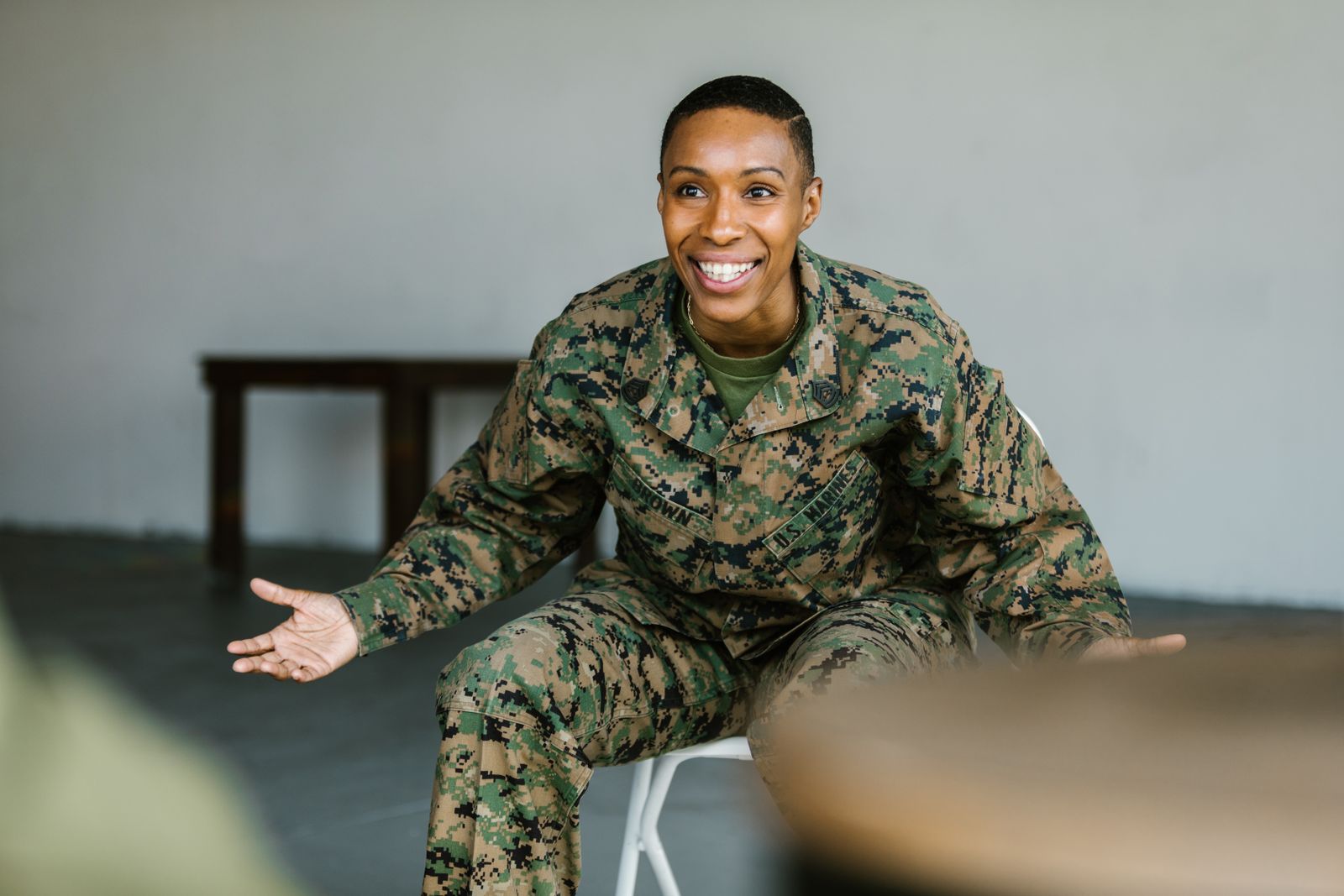
Women are the fastest-growing group of veterans using VA services. The number receiving VA health care has grown from 159,810 in 2001 to more than 600,000.
The growth continues. More than 53,000 women veterans enrolled between May 2023 and May 2024, a 20% increase over the previous year and the largest enrollment year on record at that time.
Mobile programs serving veterans should plan for this population from the start. That means choosing the right clinical services, staff, equipment, sites, privacy protections, and referral relationships.
Access depends on the services available nearby
A woman veteran may live near basic primary care but far from a clinician trained in comprehensive women's health. Rural distance can make gender-specific care, reproductive health, and specialty referrals harder to reach.
Comfort and privacy also affect whether patients return. VA says women veterans need access to comprehensive general and reproductive health care in a safe environment at every site of care. A mobile program should apply the same standard.
Site selection matters. The unit should park somewhere accessible and familiar without making a patient's reason for visiting obvious. The interior should provide sound privacy, appropriate changing space, and room for the examinations offered.
The service mix should reflect local need
A mobile women's health program may provide well-woman visits, cervical cancer screening, breast health assessment and referral, contraception, reproductive health care, vaccinations, and general primary care. Behavioral health may be provided on the unit or through a coordinated partner.
The program should avoid offering a screening unless it has a plan for the next step. An abnormal cervical cancer screen, breast concern, pregnancy-related need, or mental health concern requires timely follow-up. Referral agreements should be in place before service begins.
Staff training matters as much as equipment. Clinicians need experience in women's health and in the needs of veterans, including military sexual trauma, PTSD, chronic pain, and musculoskeletal conditions. The program should also know how to connect patients with the local Women Veterans Program Manager and other VA resources.
Our overview of mobile health care for veterans explains how women's health fits within a broader access program.
Behavioral health belongs in the plan
VA identifies PTSD and military sexual trauma among the health concerns that may affect women veterans. A mobile program should have a private, trauma-informed process for screening and referral.
Some operators will staff a behavioral health clinician on the unit. Others will use telehealth or a referral relationship with a fixed provider. Mission Mobile Medical's behavioral health satellite clinic network shows one way to connect local sites with a larger clinical system. Our article on mobile mental health care for veterans covers crisis planning, continuity, and referral pathways.
Build for the veteran population the program will serve
Programs designed around an outdated picture of the veteran population will miss people. Community assessment should look at the number and location of women veterans, the services they currently travel for, and the providers available locally.
Those findings should shape the route. A general primary care stop may meet one community's need. Another may need dedicated women's health days, longer appointments, or a partnership with a regional specialty provider.
The same team should return on a predictable schedule whenever possible. Screening, reproductive care, mental health, and chronic disease follow-up all benefit from continuity.
Mission Mobile Medical's planning and staffing advisors help organizations plan services, equipment, sites, and staffing for mobile programs serving women veterans.