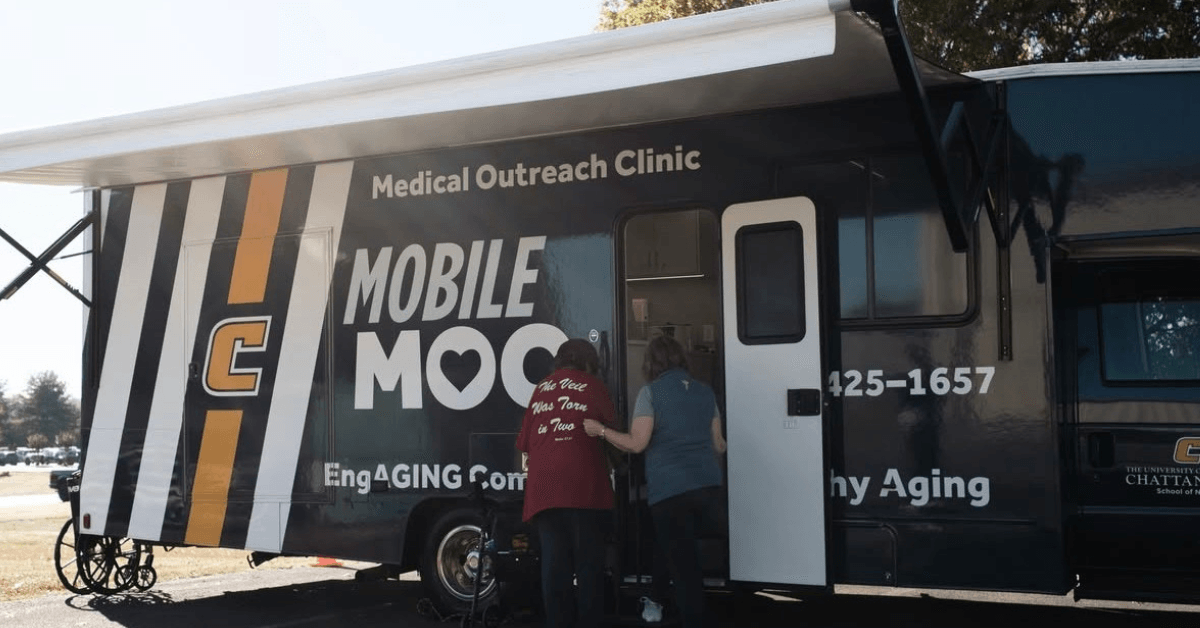
A recent article from the University of Tennessee at Chattanooga highlights one example of this approach in action: UTC’s MobileMOC, a mobile outreach clinic created to support rural communities across the region.
Bringing Care Closer to the Community
According to the article, MobileMOC was developed to address real barriers to accessing healthcare. Instead of requiring patients to travel long distances or navigate multiple systems, the mobile clinic delivers care directly to community locations.
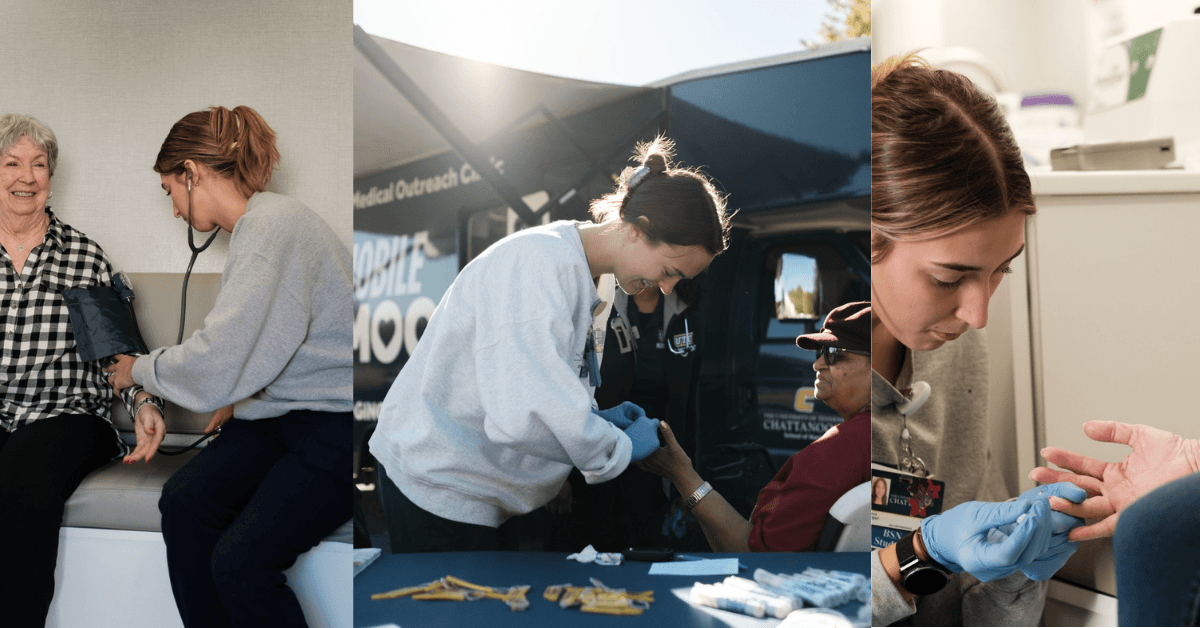
This approach allows care teams to meet people where they are, whether that’s in rural towns, community gathering spaces, or areas with limited healthcare infrastructure. The program focuses on access, consistency, and building trust over time, key elements for improving community health.
Why Mobile Clinics Matter in Rural Healthcare
Rural communities often face unique challenges in accessing healthcare. These can include fewer healthcare facilities, long travel times for appointments, and limited access to preventive services.
Mobile clinics help address these challenges by offering a flexible way to deliver care. By removing common barriers such as transportation and distance, mobile programs make it easier for people to receive care earlier rather than waiting until health concerns become more serious.
As highlighted in the article, MobileMOC reflects a growing understanding that healthcare delivery must adapt to the needs of each community. Mobile clinics offer a practical way to support that shift.
What This Means for Communities Considering Mobile Health Programs
For organizations considering starting a mobile health program in a rural area, stories like MobileMOC’s offer valuable insights. Mobile clinics are not just equipment; they are tools that allow care teams to design services around real community needs.
Programs like this show that successful mobile health efforts often start with listening. Understanding where gaps exist, what services are most needed, and how people prefer to receive care can shape how a mobile clinic is used day to day.
Mobile health programs can also grow over time. Many start with a focused set of services and expand as trust builds and community needs become clearer. Flexibility is one of the biggest strengths of mobile care, especially in rural settings where conditions and access points may change.
Just as important, mobile clinics can support collaboration. Partnerships with local organizations, schools, and community leaders often play a key role in helping programs reach the people who need them most.
A Growing Model for Community-Based Care
Programs like UTC’s MobileMOC highlight how mobile healthcare continues to evolve as a practical, people-centered solution. By delivering care in familiar, accessible settings, mobile clinics help reduce barriers while strengthening connections between providers and communities.
Read the Full Story
This post is inspired by an article originally published by the University of Tennessee at Chattanooga. You can read the full story about UTC’s MobileMOC program here:
👉 https://our.tennessee.edu/2026/utc-mobilemoc-rural-healthcare/
#MobileHealthcare #MobileClinics #CommunityHealth #RuralHealth #HealthcareAccess #PublicHealth