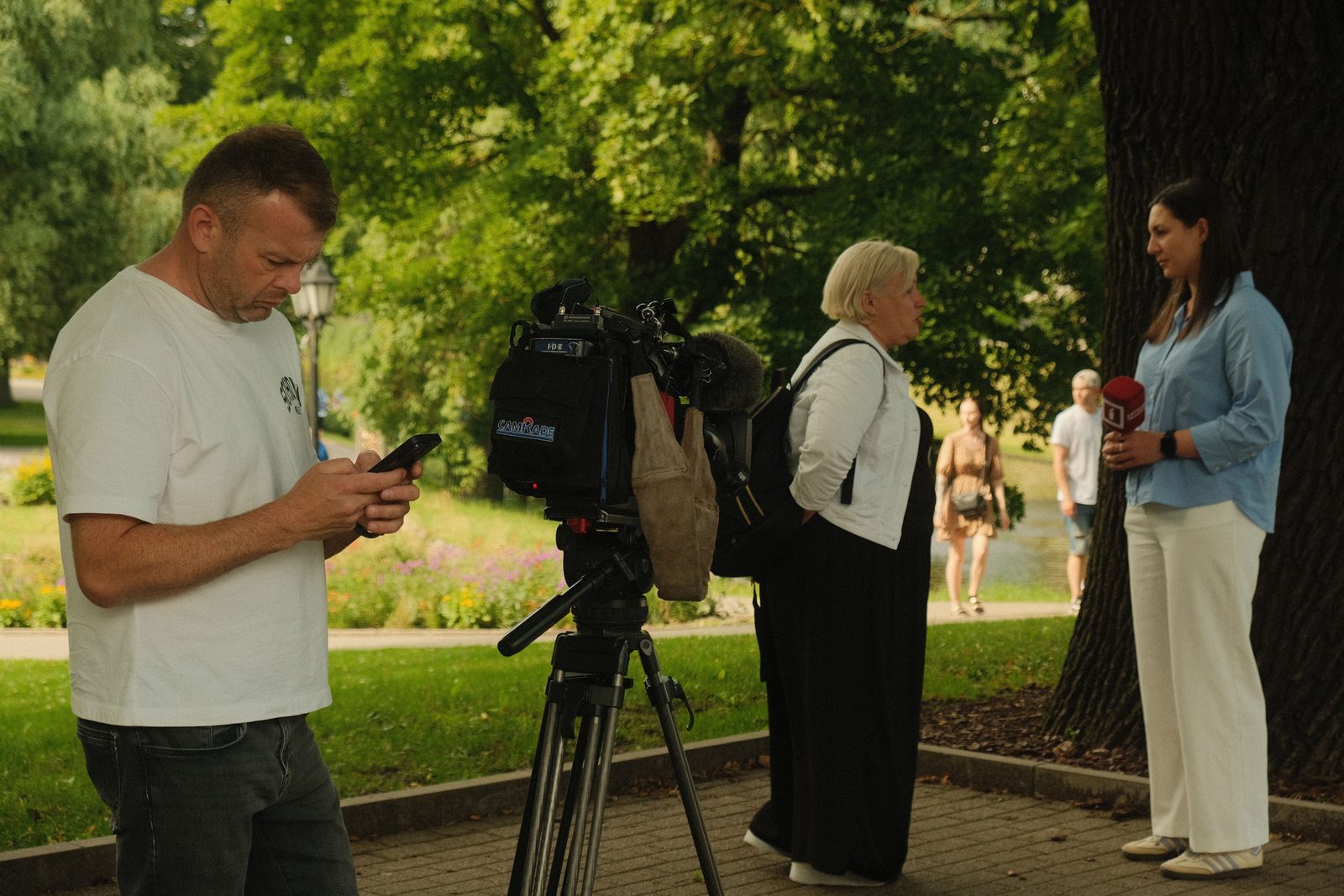
Local coverage is useful when it helps residents find care. A new clinic stop or service gives a reporter a story. Give readers the next date, location, eligibility details, and a way to book.
The story may also be about a service added after community feedback or a partner who helped bring care closer. Be clear about what is already available and what is still planned.
Give reporters useful news
Before contacting a reporter, write down what has changed. A new site, a service added nearby, or a partner referral route gives residents a reason to pay attention. Be specific about who can use the service and what they should do next.
Give the reporter a short fact sheet. Include dates, addresses, hours, services, eligibility, cost information, a working booking contact, and a person who can answer follow-up questions. If the program reports results, define them. Visits are different from unique patients. Screenings completed are different from conditions diagnosed. A referral made is different from care received after the referral.
Offer a local partner who can explain why the stop was chosen. A program spokesperson can describe the clinical scope; a library director or community leader may explain the local need better. Make time for reporters without getting in the way of scheduled care. The clinic is there for patients first.
Let patients decide whether their story is public
A patient may want to describe what a nearby appointment changed for them. They may also want their visit to remain private. Explain exactly what an interview, photograph, or video may be used for, and follow the organization's authorization procedures. Make clear that care is unaffected by the decision. Give the patient space to decline without an audience waiting for an answer.
Do not press for a dramatic account. A parent who no longer has to miss half a workday for a child's appointment has told a useful story. Let people describe their own experience, and check that the published version does not turn one visit into a claim about an entire program.
You can tell a good story without naming a patient. A change in clinic hours after residents asked for evening care is news about how the program listens. So is a partner who helped make referrals easier. Explain what changed and what patients can now do, while keeping personal details out of it.
Share the information through partners too
The host's newsletter, a school family message, or a faith group's bulletin may reach more potential patients than a press release. Give partners accurate language they can adapt and a link to the current schedule. A sponsor and host should receive credit for what they did, without claiming they approved work outside their role.
Watch what happens after coverage. Ask scheduling staff whether people called, whether they could book, and what questions came in. If the story left readers thinking the clinic was a one-day event, clarify the recurring schedule in the next message. Counting press mentions alone will not tell you whether anyone received care.
The sites and routes guide covers the practical choices behind each stop. Mission Mobile Medical's marketing team can help with partner communications and local outreach. If you are preparing a story now, make the current appointment information the first item on the fact sheet.