The Benefits Of Mobile Health Clinics
One of the primary benefits of mobile health clinics is cost savings. By utilizing a mobile clinic, organizations can save on overhead costs associated with operating a traditional office-based clinic. Furthermore, they can reduce staffing costs by using fewer personnel than would be needed in an office setting. Additionally, mobile health clinics require less capital investment upfront since there is no need to purchase medical equipment or supplies that would otherwise need to be stored at an office site. Finally, mobile health clinics offer a convenience factor that cannot be matched by traditional office-based settings. They can travel directly to where the patient needs them!
Mobile Health Clinic Regulations
Because of their unique nature, mobile health clinics have their own set of regulations that must be followed in order for them to operate legally and safely. These regulations include having proper licensure/certification from relevant state agencies; having necessary permits from local governments; and ensuring all staff members are properly trained and qualified for their positions. In addition, many states require that each mobile clinic maintain its own onboard pharmacy with sufficient medications for all patients served during each visit. Organizations must also ensure that these pharmacies are compliant with state laws regarding the storage, handling, and dispensing of medications.
The Future Of Mobile Health Clinics
Given their many advantages over traditional office-based settings, it’s clear that the future of healthcare delivery will involve more reliance on mobile health clinics as part of comprehensive care plans. With advancements in technology such as telemedicine platforms and remote monitoring devices, these types of clinics are becoming increasingly more efficient and capable of providing quality care at a fraction of the cost of traditional office settings. Furthermore, as healthcare systems continue to evolve towards value-based models which emphasize preventive care over treatment-focused approaches, it’s likely we will see more organizations utilizing these types of services in order to reach underserved populations in rural areas who may not have access to traditional care providers due to financial or geographic constraints.
Overall, it appears clear that mobile health clinics will continue to play an important role in providing quality healthcare services at lower costs than traditional office settings for many years into the future – particularly when it comes to reaching underserved populations who may not have easy access otherwise due to financial or geographic constraints. By properly following all applicable regulations while leveraging advances in technology such as telemedicine platforms and remote monitoring devices , organizations can ensure they are able to provide high quality care at reduced costs while helping those most in need receive the care they deserve.
Getting Started
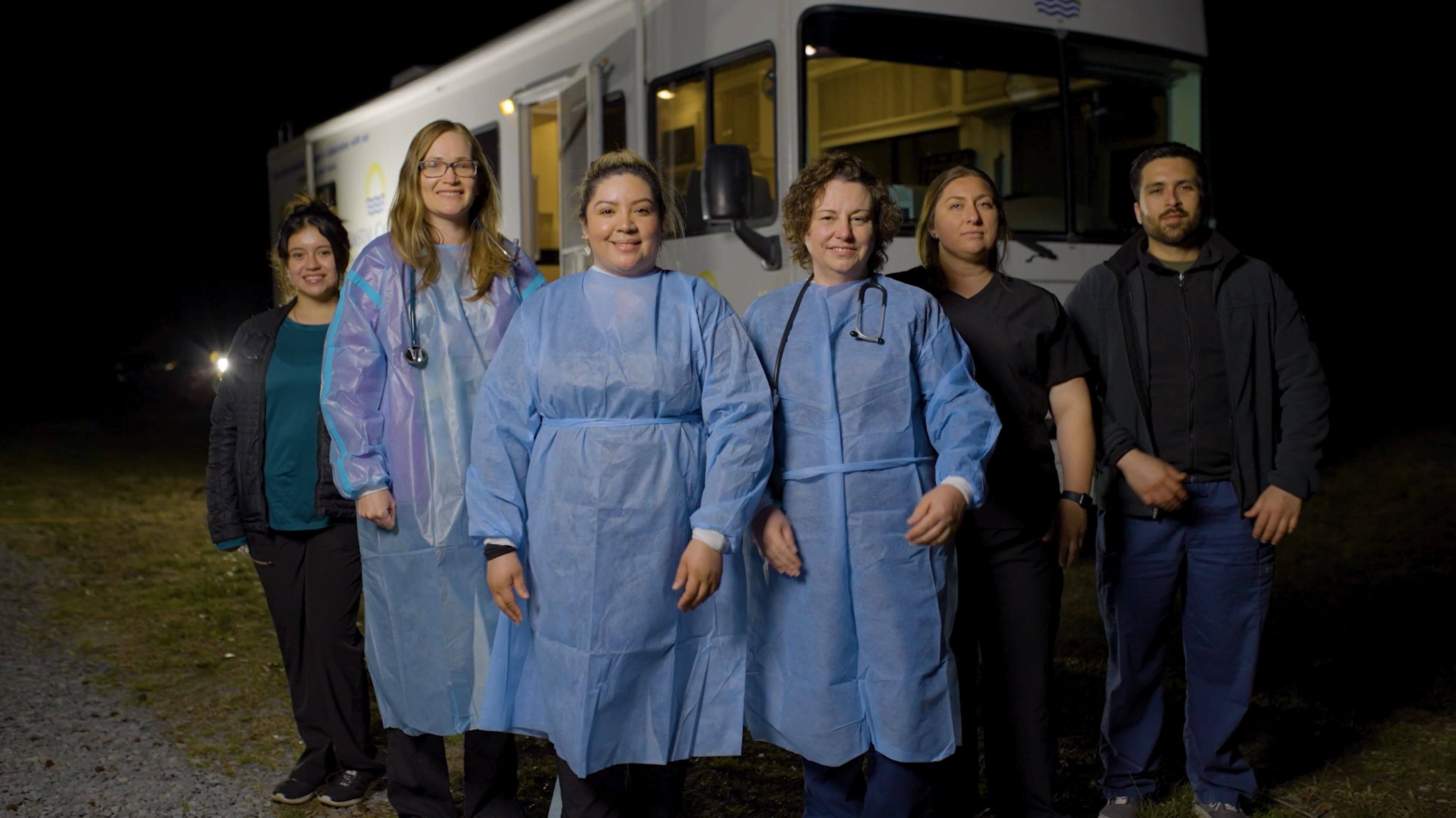
Mobile health clinics: the way of the future?
Cost savings, regulations, and technology driving wider adoption
Frequently asked questions
What are the main benefits of a mobile health clinic?
Lower overhead and staffing costs, less upfront capital investment, and the ability to travel directly to patients.
What regulations apply?
State licensure and certification, local permits, properly trained staff, and in many states an onboard pharmacy compliant with medication laws.
Published December 13, 2022