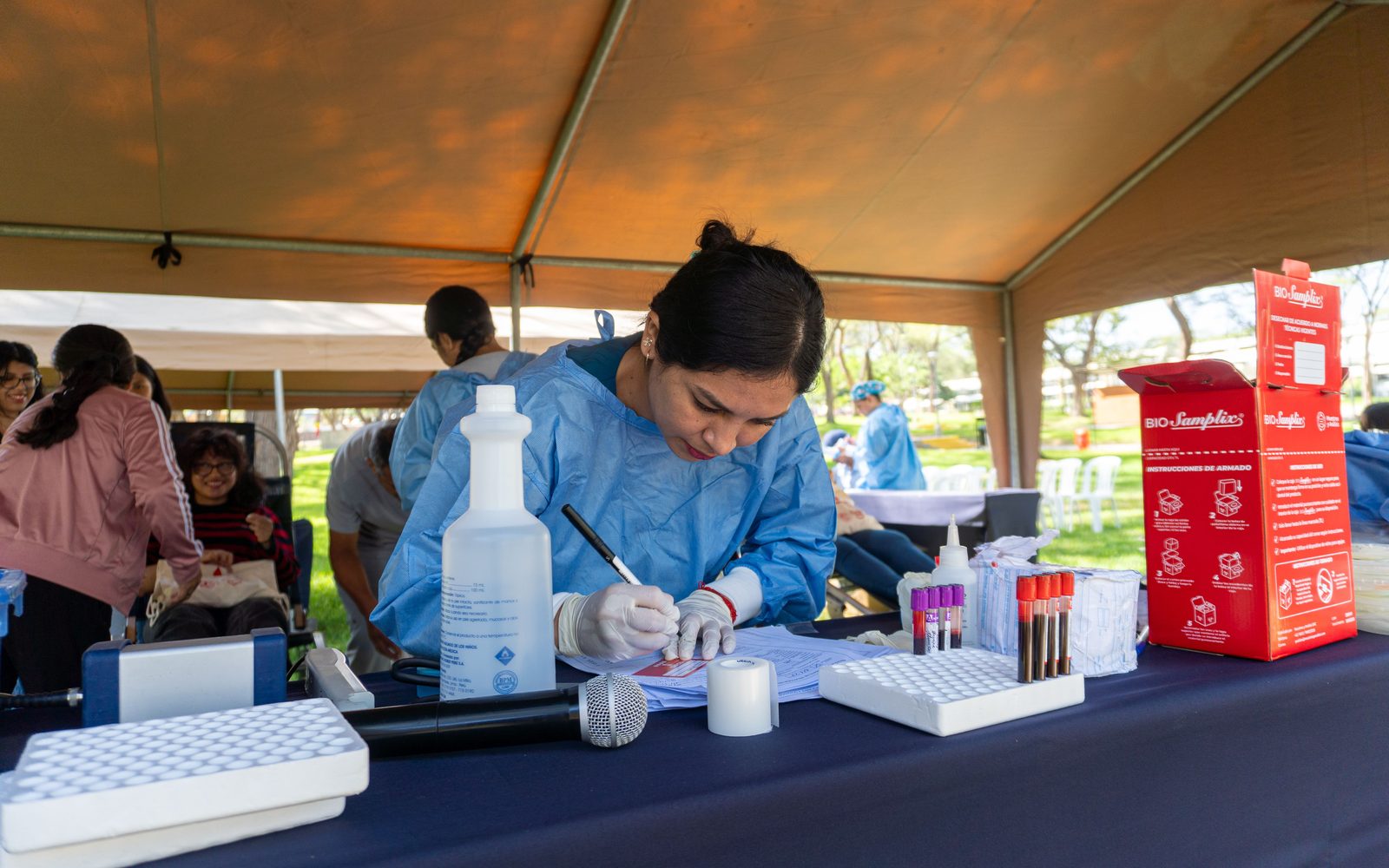
Before a new farmworker clinic opens at a housing site, workers may want to know who operates it, which languages staff speak, what information they collect, and what a visit costs. Outreach should answer those questions before the first clinic night and repeat the answers consistently.
Trust is the operating requirement of a farmworker mobile program. Programs earn it by speaking patients' languages (including Indigenous languages), working through promotores from the community, keeping the same crew on the route, separating the clinic from the employer, and being plain about what information they collect and how they protect it.
Language access starts with knowing which languages
Language needs vary by community. Programs should ask local workers and community organizations which languages patients prefer, then arrange qualified interpreters. Spanish-speaking staff may be important, but Spanish alone will not cover every community.
In many regions, Spanish is a second language for patients or not spoken at all. About a third of California farmworkers come from Indigenous communities in southern Mexico, and many speak only Mixteco, Zapoteco, or Triqui. A UC Davis study with the Mixteco/Indígena Community Organizing Project found Indigenous-language speakers going through safety trainings, medical care, and even childbirth without an interpreter. Mixteco alone has many variants, so one interpreter may not understand every patient who says "Mixteco."
Before the first clinic night, ask community organizations, growers, and schools which languages and variants are spoken locally. Contract with Indigenous-language interpreters, in person or by phone, and build their time into the clinic schedule. Use pictures and teach-back for medication instructions. Never use a patient's child as an interpreter. Our post on language access and interpreters at mobile clinics covers the legal obligations under Title VI and Section 1557.
Promotores are the program's front door
Promotores de salud are community health workers drawn from the community they serve. In farmworker programs, they are often current or former agricultural workers. They know which housing sites have new crews, which crew leaders are friendly to the clinic, and what people are worried about this month.
Promotores do outreach before clinic nights, help patients through registration, explain sliding fees, follow up after visits, and carry word back to the program about what is working. Their credibility transfers to the clinic. Our post on community health workers on the mobile health team covers roles, training, and how some states now pay for CHW services through Medicaid.
The same faces, week after week
Farmworkers judge a clinic by the people in it. A patient who sees the same nurse practitioner, medical assistant, and promotora through the season can get to know the team. A dedicated mobile crew also helps protect clinic hours when a fixed site is short-staffed.
Consistency also covers the schedule. A clinic that shows up every Tuesday and Thursday evening for a season earns more trust than a series of one-time health fairs, however well run.
Keep the clinic separate from the employer
Grower partnerships open doors to housing sites. They also raise a fair question for workers about whether the boss will hear what they tell the nurse. Answer it directly. The clinic belongs to the health center. Workers' health information stays with the health center and is protected by HIPAA. The employer does not receive visit lists, diagnoses, or notes.
Programs that do this well make the point in their conversations with growers, have staff explain it the same way every time, and ask promotores to repeat it in outreach. Workers who report a work injury or pesticide exposure need to know the clinic will document it for their benefit. Our post on scheduling a farmworker mobile clinic covers grower partnerships in more detail.
Be plain about information and enforcement
Immigration-related worry affects whether people seek care. In the KFF/New York Times 2025 Survey of Immigrants, about half of immigrant adults (51%) and 78% of those likely undocumented said they were concerned that health care providers might share immigration status with enforcement officials. In January 2025, the Department of Homeland Security rescinded its "protected areas" guidance, which had generally kept immigration enforcement away from health care facilities. KFF also notes that new agreements to share Medicaid data with immigration authorities may add to confusion and fear about enrolling in coverage, even among people who remain eligible.
Programs cannot promise outcomes outside their control. They can control their own practices:
- Review what information is required. Health centers collect information for care, billing, eligibility, and reporting. Ask counsel to review current federal and state requirements, including any immigration-related eligibility rules, before setting registration practices.
- Protect what you collect. Patient information in a mobile clinic is subject to the same privacy rules as information at a fixed site. Our post on HIPAA security on a mobile clinic covers devices and data.
- Have a written plan for an enforcement visit. Ask the health center's counsel to set a lawful response protocol and train the mobile team. Staff should know whom to call and how to protect patient privacy without obstructing officers.
- Tell patients the truth. Explain what the clinic collects, why, and who can see it, in their language.
Trust compounds
None of this happens in the first month. Programs that hold to these practices through one full season usually find the second season easier: crews ask for the clinic by name, crew leaders announce clinic nights, and patients bring their families. The farmworker mobile health hub connects to the rest of this series, and Mission Mobile Medical's guide to how to start a mobile health clinic covers community engagement as part of program planning.
Quick answers
What are promotores de salud?
Promotores are community health workers from the community they serve. In farmworker programs, they handle outreach, help patients navigate the clinic, and follow up after visits.
Do mobile clinics ask about immigration status?
Registration and eligibility requirements can vary by funding source and jurisdiction. The health center should explain what it collects, why, and how patient information is protected, after counsel reviews current rules.
Why do farmworker programs need Indigenous-language interpreters?
Many farmworkers, especially in California, come from Indigenous communities in southern Mexico and speak Mixteco, Zapoteco, Triqui, or another Indigenous language, with limited or no Spanish.
Mission Mobile Medical's planning and staffing advisors help health centers build outreach, staffing, and privacy practices that earn community trust.