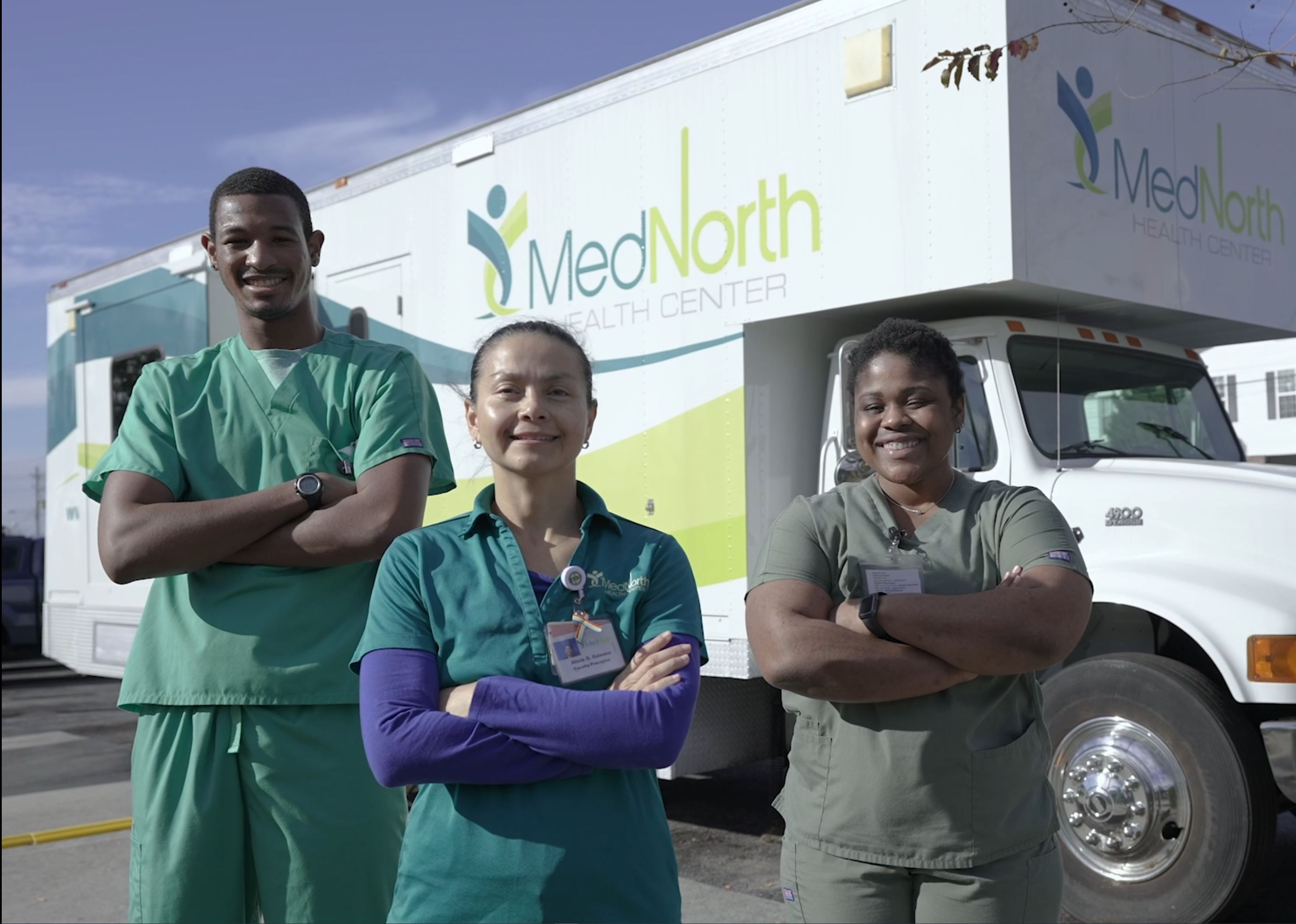
Mobile health clinics offer a unique way to bridge the gap in healthcare access for underserved communities. These mobile clinics are equipped with the latest technology and staffed by qualified medical professionals, allowing them to bring quality healthcare to people who may have otherwise gone without it. Let's explore what mobile health clinics are, how they work, and their potential for helping communities across the country.
What Are Mobile Health Clinics?
Mobile health clinics are mobile programs that provide a range of medical services to underserved populations. They can be found in rural areas, inner cities, Native American reservations, and other areas where access to healthcare is limited. The mobile clinics are typically staffed by nurses and doctors who can provide preventative care, screening services, chronic disease management, and other medical treatments.
How Have Mobile Health Clinics Benefited Communities So Far?
Mobile health clinics have enabled many underserved communities to gain access to the healthcare they need without having to leave their area. This has been particularly helpful in rural areas where traveling long distances can be difficult or cost-prohibitive. Additionally, mobile health clinics have made it easier for people in these communities to receive preventative care as well as treatment for chronic illnesses such as diabetes or hypertension.
What Challenges Do Mobile Health Clinics Face When Providing Healthcare To Underserved Communities?
Despite their success so far, there are still some challenges that face mobile health clinics when providing care in underserved communities. One of the biggest challenges is funding; many of these programs rely on grant money or donations from private organizations in order to keep operating. Additionally, there can be a lack of qualified medical staff available due to limited resources or a lack of training opportunities in certain areas. Lastly, there can be language barriers between patients and providers in certain regions which can make it difficult for both parties to communicate effectively about treatments or diagnoses.
Mobile health clinics have proven themselves invaluable when it comes to providing quality healthcare access for underserved populations across the country. Although there are still some challenges facing these programs, including funding issues and language barriers, they have had great success so far and show promise for even greater accomplishments in the future with continued support from public and private institutions alike. If you'd like to get involved with providing support for mobile health clinics near you, look into local community organizations that offer grants or other forms of assistance for these programs! With your help, we can ensure that everyone has access to quality healthcare regardless of where they live!
Rural Health
Exploring the World of Mobile Health Clinics
How mobile clinics bring care to underserved communities
Frequently asked questions
Where do mobile health clinics operate?
In rural areas, inner cities, Native American reservations, and other places where access to healthcare is limited.
What services do they provide?
Preventative care, screening services, chronic disease management, and other treatments, staffed by nurses and doctors.
What are the biggest challenges they face?
Funding, since many rely on grants or donations, plus shortages of qualified staff and language barriers between patients and providers.
Published December 14, 2022